FACIAL SURGERY
Facelift
in Liverpool & Wirral
Restore a firmer, more youthful facial profile with Mr Ali Juma. Over 33 years of surgical experience helping Liverpool and Wirral patients look as refreshed as they feel — with honest advice and natural, lasting results.
1 Night
Hospital Stay
10–12 Days
STITCHES REMOVED
General
Anaesthesia
Rated Excellent
PATIENT SATISFACTION
33 Years
Surgeon Experience
OVERVIEW
Restore a Firmer, More Youthful Profile with Mr. Juma
A facelift — known medically as a rhytidectomy — lifts and tightens the facial skin and the underlying tissue layer above the muscles. The goal is a smoother, less tired, more youthful-looking face. Mr Ali Juma has been performing facelift surgery for over 33 years, and it remains one of the most transformative procedures he offers.
One thing Mr Juma has noticed across decades of consultations with patients from Liverpool, Wirral, and beyond — most people wait far longer than they need to. They accept the gradual changes, adjust how they photograph, and quietly lose confidence. By the time they sit down with him at The Clinic @51, many say they simply want to look the way they feel on the inside.
Every facelift Mr Juma plans starts with an honest conversation. He examines your skin quality, the structure of your face, and what you genuinely want to achieve. If a facelift is not the right option for you, he will tell you that too — and suggest what is.
Skin and SMAS lifted and tightened
The facial skin and the deeper SMAS layer are lifted and repositioned to restore a natural, youthful contour without an overly tight appearance.
Jowls and neck addressed
Sagging along the jawline and loose skin on the neck are corrected, restoring a cleaner jaw profile and smoother neck contour.
Incisions placed to minimise visible scarring
Mr Juma places incisions carefully within natural hairlines and skin creases so healing scars are well hidden from day one.
RIGHT TIME FOR SURGERY
Skin Laxity Determines the Right Time for a Facelift
One of the most common questions Mr Juma is asked is “am I too young — or too old — for a facelift?” His honest answer is that age alone does not determine candidacy. What matters is your skin quality, the degree of sagging, and whether surgery can give you a meaningful improvement.
Patients with mild skin changes are often better served by non-surgical treatments — dermal fillers, wrinkle-relaxing injections, or skin tightening. Mr Juma will tell you this if it applies to you. He has no interest in performing surgery on someone who would get a better result from a simpler approach.
Patients with more significant skin laxity, deepening folds, jowling, or a loose neck are typically the strongest candidates for a facelift. The greater the degree of change, the more dramatic and long-lasting the surgical result tends to be.
For patients across Liverpool and the Wirral, an honest consultation at Rodney Street is always the starting point. Mr Juma has never believed in fast decisions in cosmetic surgery. Understanding your skin, your health, and your goals takes time — and he gives it the time it deserves.
Significant Skin Sagging
Pronounced skin laxity across the cheeks, jaw, and neck responds best to surgical lifting that no non-surgical treatment can replicate.
Jowling Along the Jawline
Heaviness and sagging at the sides of the jaw are among the most common reasons patients across Liverpool seek a facelift.
Deep Nasolabial Folds
Deepening lines from the nose to the corners of the mouth that no longer respond well to filler alone are well addressed by a facelift.
Loose Neck Skin
A loose or banded neck is often the change patients notice first. A facelift with neck contouring restores a cleaner, more defined profile.
GOOD CANDIDATES
Good Health and Realistic Goals Make Strong Facelift Candidates
The strongest candidates for facelift surgery are people in good general health, non-smokers, and at a stable weight. They understand what surgery can and cannot achieve, and they are motivated by their own feelings — not external pressure.
Mr Juma has treated patients in their forties through to their seventies, and the results have been meaningful at every stage. The right candidate is the person who looks in the mirror and feels there is a disconnect between how they look and how they feel. A facelift does not change who you are — it simply allows you outside to reflect your inside more honestly.
Patients from Heswall, Formby, and across Merseyside regularly make the short journey to the Rodney Street clinic because Mr Juma offers something increasingly rare: a single surgeon who sees you for your consultation, performs the operation, and follows up your recovery personally. You are never passed along to a team.
Good General Health
No uncontrolled medical conditions that would increase surgical risk. All relevant health history is reviewed fully at consultation.
Non-Smoker or Willing to Stop
Smoking significantly impairs wound healing and increases complication rates. Mr Juma asks all patients to stop smoking well before surgery.
Realistic Expectations
Understanding that a facelift improves and refreshes — but does not stop the ageing process entirely — is essential for long-term satisfaction.
Personal Motivation
The best results come from patients who want surgery for themselves — not to meet someone else’s expectations. Mr Juma explores this openly at consultation.
Facelift surgery is also available for men Male patients present with different facial anatomy and different aesthetic goals. Mr Juma has extensive experience treating men and plans each facelift to look natural and appropriate for a masculine face — never feminised or obviously surgical.
SURGICAL TECHNIQUE
Modern Techniques Keep Facelift Discomfort Manageable
A concern many patients share with Mr Juma is their fear of pain after a facelift. His experience is that most patients are pleasantly surprised. Modern anaesthetic and surgical techniques, combined with proper aftercare, mean that post-operative discomfort is typically well-controlled with standard pain relief.
The technique Mr Juma uses most commonly is the SMAS facelift, which lifts and repositions the deeper facial tissue layer as well as the skin. This produces a more natural, longer-lasting result than older techniques that simply pulled the skin. When you lift the structure beneath, the skin sits more naturally and the result looks refreshed rather than stretched.
Mr Juma believes the best facelift is one that nobody notices. His aim is always a result that makes you look like the best version of yourself — rested, healthy, and natural. When patients come back for reviews six months later, most say the best compliment they receive is that they simply look well.
SMAS technique for natural, lasting results
Lifting the deeper SMAS tissue layer alongside the skin produces a more durable result and avoids the pulled or windswept look of older techniques.
Incisions hidden within hairlines and creases
Mr Juma plans every incision to sit within natural hairlines, in front of and behind the ears, so healing scars are discreetly concealed.
Minimally invasive where appropriate
For younger patients or those with more limited sagging, a shorter-scar or mini facelift approach may be more appropriate — discussed at consultation.
Anaesthetic and recovery support
Modern general anaesthesia and post-operative pain management keep discomfort manageable. Most patients describe the experience as far less difficult than expected.
The Surgical Process
Facelift Surgery Requires Several Hours of Precision Work
A facelift is among the most technically demanding procedures in cosmetic surgery. Mr Juma gives it the time it requires — never rushing, never cutting corners. In his experience, the quality of a facelift result is almost entirely determined by the precision of the surgeon performing it.
The operation is performed under general anaesthetic and typically takes three to five hours depending on the extent of correction needed. A neck component or additional fat transfer can extend this. Mr Juma will discuss the expected duration with you during consultation so you know exactly what to expect on the day.
After 33 years of performing facelift surgery, Mr Juma has a clear guiding principle — the face should look refreshed, not operated on. He has refined his technique continuously over three decades, always looking for ways to achieve more natural, lasting results for his patients.
1
Arrival at an Accredited Facility
You arrive at an accredited surgical facility in the Liverpool area, having fasted as instructed. The anaesthetist meets you, answers any final questions, and explains what to expect from the anaesthetic.
2
Pre-Operative Planning Markings
Mr Juma meets you beforehand to review the plan and carefully mark the face for surgery. Precise markings ensure incisions sit exactly where intended and that the lift is distributed correctly.
3
Surgery Under General Anaesthetic
The operation is performed under general anaesthetic over three to five hours. Mr Juma lifts and repositions the SMAS layer and skin, addresses the neck where needed, and closes with meticulous technique to minimise scarring.
4
Overnight Hospital Stay
Most patients stay one night following facelift surgery. Mr Juma checks on you personally before you are discharged. You leave with clear written aftercare instructions and direct contact details for any questions or concerns.
Recovery Guide
Swelling and Settling Explain Early Post-Facelift Appearance
One of the most important things Mr Juma tells patients before a facelift is to not judge the result in the first few weeks. The face will be swollen, bruised, and temporarily tight. This is entirely normal — and it does not reflect your final outcome. Patience in the early weeks is essential.
Mr Juma has guided thousands of patients through facelift recovery. He finds the people who prepare properly — who arrange help at home, clear their schedule for the first two weeks, and follow aftercare instructions closely — consistently have the smoothest recoveries and the best long-term results.
For patients from across the Wirral and North Liverpool, the short distance to the Rodney Street clinic makes follow-up appointments straightforward. Mr Juma sees you personally at each review — not a nurse or junior. If you have any concerns between appointments, his team responds promptly.
Week 1
REST AT HOME
Swelling and bruising are most significant in the first few days. Rest is essential. Keep your head elevated and follow dressing care instructions.
Weeks 2-3
STITCHES OUT, SETTLING BEGINS
Stitches are removed at 10–12 days. Most patients feel well enough for light social activities by the end of week two to three.
Weeks 4–6
SHAPE EMERGING
Swelling continues to settle and your new profile becomes more visible. Most patients return to desk-based work within two to three weeks.
Week 6 onwards Avoid any risk to the face including contact sports and strenuous activity. Scars continue to mature and fade over the following months. The full result of a facelift typically becomes visible at around three to six months post-surgery.
POST-OPERATIVE AFTERCARE
Activity Restrictions Protect Your Facelift Results
Following facelift surgery, protecting the healing tissues is just as important as the operation itself. Mr Juma provides every patient with clear, written aftercare guidance tailored to their specific procedure, and he takes time at every follow-up visit to check how things are progressing.
The guiding principle for the first six weeks is to avoid anything that raises blood pressure, risks injury to the face, or strains the healing incisions. This is not about being overly cautious — it is about protecting the result that has been achieved in the operating theatre.
Something Mr Juma often tells patients from the Wirral and Merseyside area — plan your surgery at a sensible time. Book it when you can genuinely take two to three weeks away from demanding commitments. Recovery goes far more smoothly when you have the time and space to rest properly.
No strenuous exercise for six weeks
Elevated heart rate and blood pressure in the first weeks can increase swelling and affect healing. Gentle walking is fine; anything more intense should wait.
No sun exposure to scars
Healing scars exposed to UV light can darken permanently. Keep incision areas protected from sun for at least six months post-surgery.
Avoid alcohol and smoking
Both impair circulation and wound healing. Alcohol should be avoided in the first two weeks; smoking should ideally stop well before surgery and not resume.
Sleep with head elevated
Keeping the head elevated for the first week reduces swelling and makes the initial recovery more comfortable.
COMMON QUESTIONS
Frequently Asked Questions
How long does a facelift last in Liverpool & Wirral?
The results of a well-performed facelift typically last between seven and ten years, though this varies depending on skin quality, lifestyle, and how the face ages naturally. Mr Juma is honest that surgery slows the clock — it does not stop it entirely. Patients who maintain a stable weight, protect their skin from sun, and attend follow-up appointments consistently tend to enjoy their results for longer. Many of his Liverpool and Wirral patients have come back years later for minor touch-up procedures after initially excellent results.
How can I book a facelift consultation in Liverpool & Wirral?
You can contact The Clinic @51 directly by telephone on 0151 230 1648 or 07855 466 345, by email at enquiries@alijuma.co.uk. Mr Juma’s practice is well organised and will arrange a consultation at a time that suits you. The clinic is located at 51 Rodney Street, Liverpool — easily accessible from across the Wirral, Merseyside, and North Wales. Mr Juma sees every new patient personally. There are no video consultations or nurse-led initial appointments here.
How long is recovery before I can return to work in Liverpool & Wirral?
Most patients need two to three weeks away from work following a facelift. For those in desk-based roles, returning after two weeks is often possible. Those in more physically demanding jobs or roles that require significant social interaction often benefit from a full three weeks. Mr Juma advises being honest with yourself about your commitments when planning your surgery date — a rushed recovery is the most common reason people are unhappy with how the first few weeks feel.
Can a facelift address sagging for men too?
Yes. Mr Juma has extensive experience performing facelift surgery on male patients. Men present with different facial anatomy — thicker skin, a stronger brow, and different beard-hair distribution — all of which require careful consideration when planning incision placement. The aesthetic goal for a male facelift is a refreshed, masculine appearance, never feminised or overly smooth. Men from across Liverpool and the Wirral who are concerned about jowling, neck looseness, or overall facial ageing are welcome to enquire about a consultation.
Will facelift scars be visible?
Facelift scars are placed carefully within natural hairlines, in the groove in front of the ear, and behind the ear — positions that allow them to heal discreetly and be concealed by hair or the natural contour of the ear. In the first few weeks scars will be pink and slightly raised, which is a normal part of healing. By three to six months most scars are significantly faded and not visible in normal social situations. Mr Juma has refined his closure technique over three decades with the specific goal of minimising long-term scarring.
What should I prepare at home before facelift surgery?
Mr Juma recommends preparing your home before surgery so that the first week is as restful as possible. This means having several pillows ready to keep your head elevated, preparing easy meals in advance, arranging someone to stay with you for at least the first two days, and removing any trip hazards. Have ice packs available to help manage swelling in the early days. Avoid booking any social commitments for at least two weeks post-surgery. His team provides a full written preparation guide before your operation.
Can anti-wrinkle injections be used after a facelift in Wirral?
Yes, wrinkle-relaxing injections and dermal fillers can complement facelift results and are often used by Mr Juma’s patients to maintain and enhance their outcomes over time. After a facelift, the structure of the face has been lifted and the skin quality improved — injectable treatments can address remaining fine lines, maintain volume, and help the refreshed result appear subtle and natural. Mr Juma will advise on when it is safe to resume or begin injectable treatments after your recovery is complete.
READY TO TAKE THE NEXT STEP?
Book Your Consultation
Speak with Mr Juma directly. Every consultation is personal, honest, and completely without pressure.
ON THIS PAGE
CONTACT THE CLINIC
Address
The Clinic @51, First Floor
51 Rodney Street
Liverpool L1 9AT
Telephone
Mr. Ali Juma
Consultant Plastic Surgeon
About Mr. Ali Juma
33 Years of Surgical Excellence
Mr Ali Juma is a Consultant Plastic Surgeon with over three decades of experience in aesthetic and reconstructive surgery. He practises at The Clinic @51 on Liverpool’s renowned Rodney Street — known locally as the ‘Harley Street of the North.’
MB.BS. (Lon)
FRCS (Eng)
FRCS (Plast)
GMC: 3250293
- 12 years of NHS reconstructive surgery experience, providing the highest standard of clinical care.
- Trained in Belgium under leading European breast surgeons — bringing international expertise to every procedure.
- One surgeon throughout your care — from first consultation through to final follow-up.
- Honorary Lecturer at the University of Liverpool for 9 years; Clinical Lead for CPD at The Royal Society of Medicine.
RELATED TREATMENTS
Other Facial Procedures
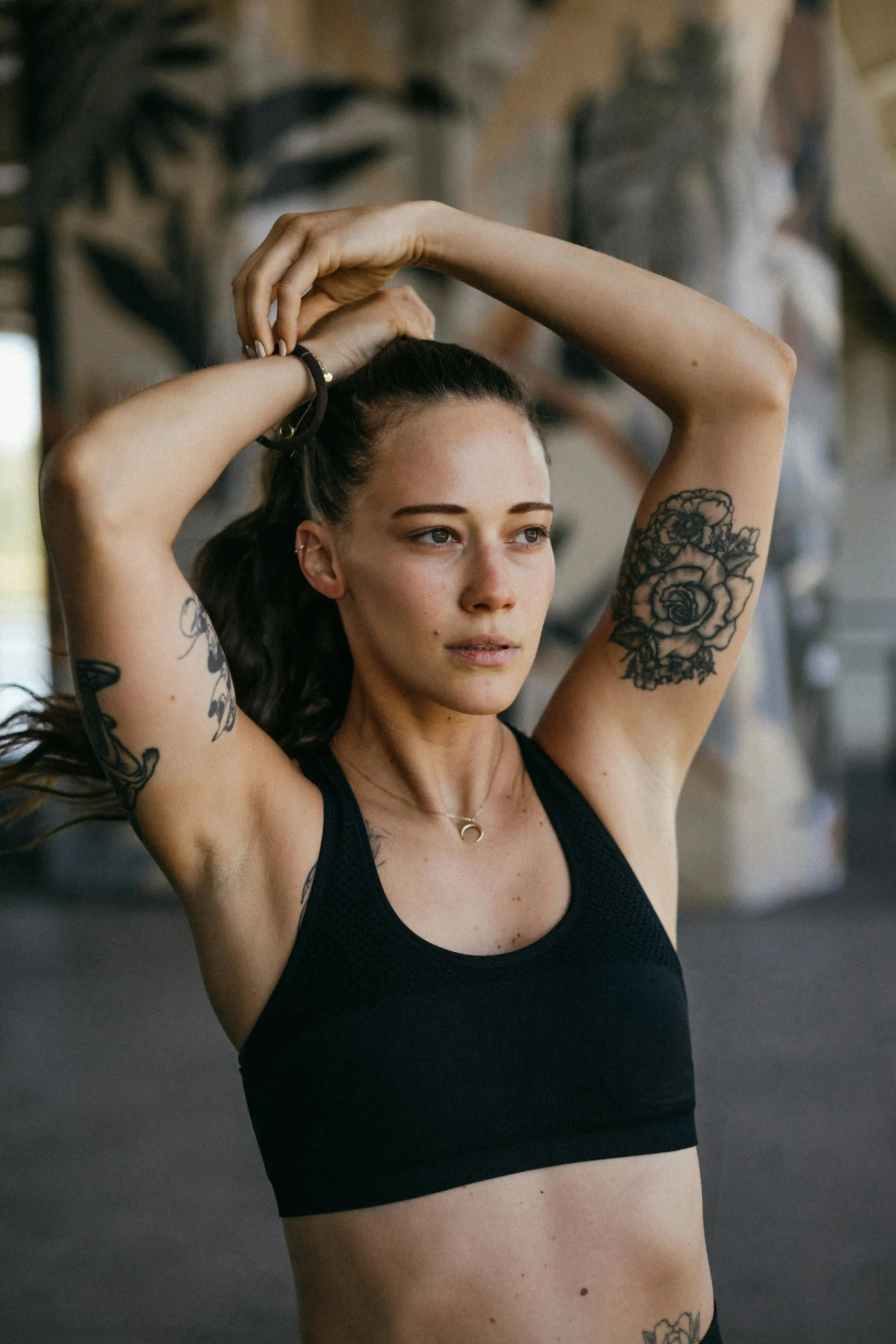
Mid-face Lift
A targeted procedure to restore volume and definition to the cheeks and mid-face region, addressing hollowness and descent of the soft tissues that accompanies ageing.
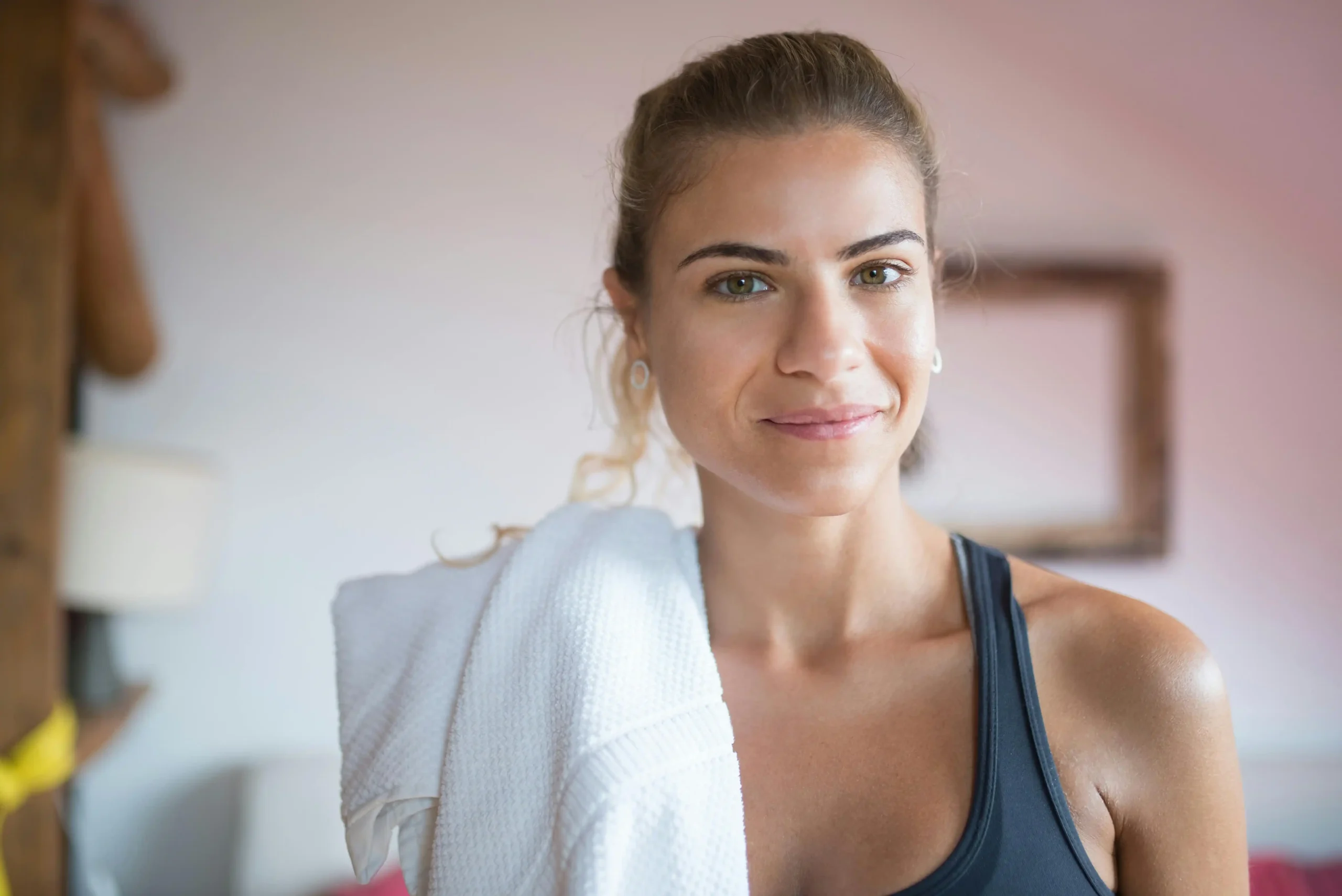
Brow Lift
Endoscopic elevation of the brow and forehead to open the upper face, reduce horizontal lines, and create a heavy or hooded brow with minimal incisions.
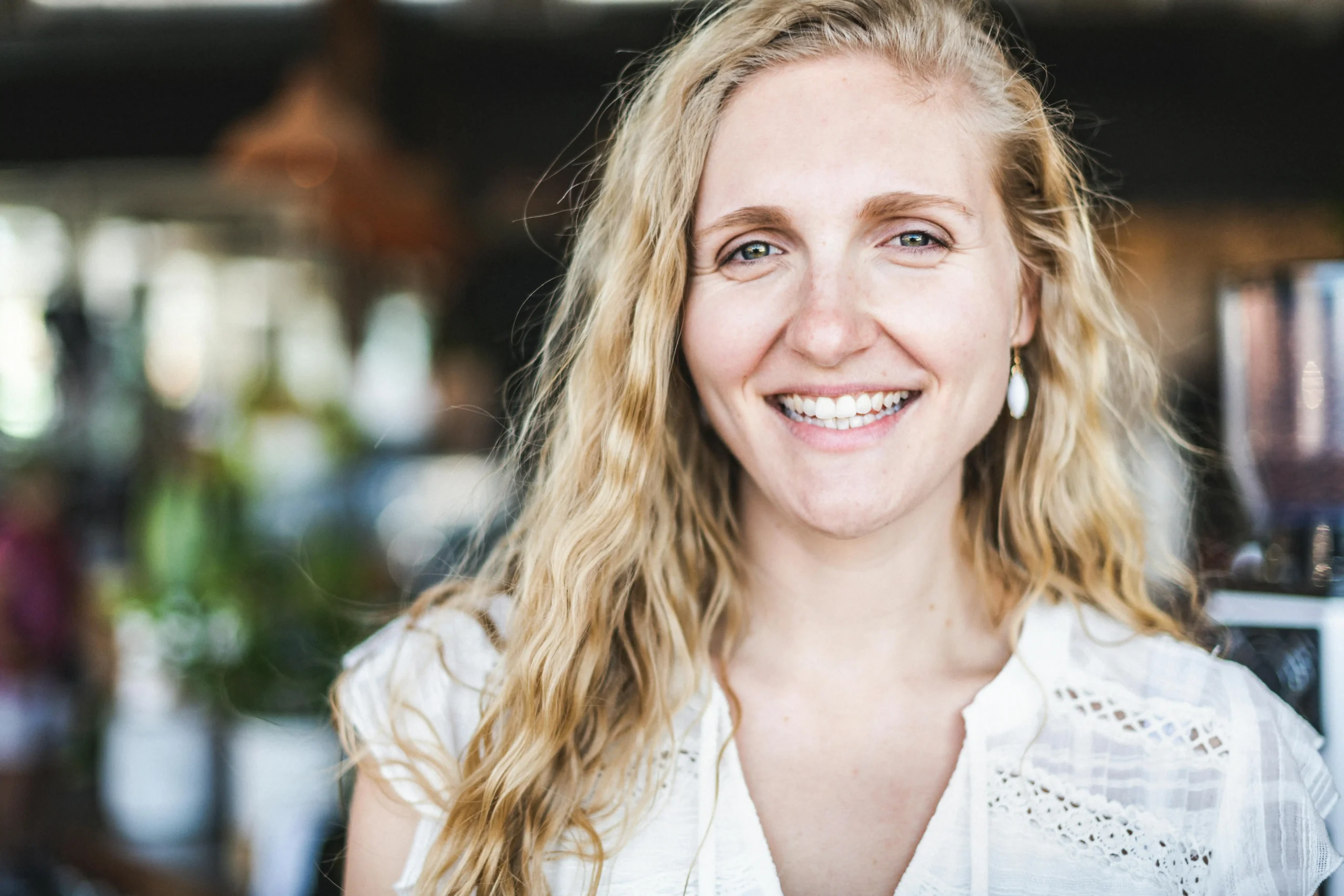
Eye Bag Removal (Blepharoplasty)
Surgical removal of excess skin and fat from the upper and lower eyelids — eliminating puffiness and tired-looking eyes for a more alert, refreshed appearance.
Explore the full range of treatments offered at The Clinic @51.
TAKE THE NEXT STEP
Begin Your Consultation with
Mr. Ali Juma
Every journey starts with a conversation. Book a personal consultation and receive honest, expert guidance with no obligation — and no pressure.