Body Surgery
Tummy Tuck in
Liverpool & Wirral
Considering a tummy tuck in Liverpool or Wirral? Mr Ali Juma offers honest advice and expert abdominoplasty at The Clinic @51 on Rodney Street.
30+ Years
EXPERIENCE
33 Years
IN PRACTICE
Rodney Street
LIVERPOOL CLINIC
Rated Excellent
100S HAPPY CLIENTS
OVERVIEW
Flatten Your Abdomen With Expert Plastic Surgery with Mr Ali Juma
After 33 years in plastic surgery, we hear the same story often. Patients tell us they have tried sit-ups, planks, and every diet going. Nothing works on that loose fold of skin sitting above the waistband. It affects how clothes fit and how they feel at the beach or even getting dressed each morning.
A tummy tuck does what exercise cannot. We remove the stretched skin, repair separated muscles, and reshape the entire abdominal wall. The change is not subtle. Patients leave with a stomach that matches the effort they have already put in.
On this page, we walk you through who qualifies, what surgery involves, and what recovery honestly feels like. We also explain how scars heal because that question comes up in every consultation. If you live in Liverpool or the Wirral and want straight answers, that conversation starts here on Rodney Street with Mr Ali Juma.
Top 5
Gynecomastia surgery is one of the top 5 most popular cosmetic procedures for men in the UK, according to BAAPS (British Association of Aesthetic Plastic Surgeons) statistics — reflecting how widespread and treatable this condition is.
3%
of the female population are affected by inverted nipples
80%
of cases affect both breasts simultaneously
WHAT IT TREATS
A Mummy Makeover Addresses Skin and Tissue Changes That Exercise Cannot Fix
We hear the same story from women across Liverpool and the Wirral. You trained hard. You ate well. Your fitness improved, but certain things refused to change. This is not a failure on your part. Pregnancy and significant weight loss physically alter tissue in ways that exercise cannot reverse.
Common concerns we see include:
- Loose abdominal skin that hangs or folds despite core workouts
- Separated stomach muscles that create a gap no plank can close
- Breasts that lost volume or dropped after breastfeeding
- Stubborn fat around the hips or flanks that will not shift
Combining procedures into one session means one recovery period instead of two or three
Women from Woolton and Heswall often choose this approach because time matters. Taking six weeks off once is far easier than repeating that disruption across multiple years. Your family routine, your work, and your own patience all benefit from addressing everything together.
Raised Brow Position
Lifts the brows to a more youthful, natural height — reducing the heavy, drooping effect that can make the upper face look tired or heavy.
Opened Eye Appearance
By lifting the skin that hangs over the eyes, the procedure creates a more open, alert expression without touching the eyelids themselves.
Softened Forehead Lines
Smooths horizontal forehead wrinkles and reduces the deep frown lines that form between the brows over time.
Most Common Cause
Ageing and the gradual loss of skin elasticity causes the skin around the eyes to loosen and excess fat to become more prominent, creating a puffy or tired appearance.
Medical Cause
In some cases, eye bags and puffiness around the eyes can be caused by thyroid disease, which affects the tissues around the eyes. Mr Juma will discuss your individual circumstances at consultation.
Noticeable discomfort or difficulty wearing bras, swimsuits, or clothing due to uneven sizing
Back or shoulder pain caused by uneven breast weight distribution
Ongoing emotional distress or body image concerns resulting from the asymmetry
For teenage girls: self-esteem challenges related to peer pressure and developing body image
01
Relief from Physical Discomfort
Significant and lasting reduction in neck, back, and shoulder pain caused by the excess weight of large breasts — often providing immediate relief following recovery.
02
Improved Body Proportion & Comfort
Smaller, more proportionate breasts that feel balanced with the rest of your body — making clothing fit better and physical activity more comfortable.
03
Enhanced Self-Esteem & Confidence
A more balanced, natural breast shape that many women report significantly improves their body image, confidence, and overall quality of life.
04
Better Posture & Long-Term Health
Improved posture and a reduced risk of chronic musculoskeletal conditions — contributing to better long-term physical health and wellbeing.
CANDIDACY
Who Qualifies for Tummy Tuck Surgery
Over three decades, we have learned that the best outcomes come from honest conversations early on. Some patients sit down expecting us to book them straight in. Instead, we ask questions. We examine. We talk about life plans. Not everyone leaves with a surgery date, and that is exactly how it should be.
A tummy tuck works for adults carrying excess abdominal skin that will not respond to exercise. We see post-pregnancy mothers from Aigburth and Allerton whose stomach muscles separated during pregnancy and never came back together. We meet patients from across Merseyside who lost significant weight but now carry loose skin that chafes and limits what they can wear.
In our experience, the patients who do best share a few things in common:
Stable Weight
Their weight has stayed stable for at least six months before surgery.
Family Complete
They have finished having children and do not plan future pregnancies.
Non-Smoker
They do not smoke, or they commit to stopping well before surgery.
Healthy BMI
We prefer patients under a BMI of 30. Above that, wound healing slows and complication risks climb.
A tummy tuck is not a reward for effort. It is a tool to finish what effort started. The NHS overview of tummy tuck surgery confirms that abdominoplasty is usually only recommended for people at a healthy weight. We would rather delay your surgery and see you reach a safer weight than operate too soon and deal with problems afterwards.
PREPARATION
Ideal Weight and Timing Before Abdominoplasty
Timing matters more than most patients expect. We often meet people from Crosby and Formby who have worked hard to lose weight and want surgery immediately. We understand the urgency. But operating too early can undo months of progress.
Your weight needs to stay steady for at least six months before we consider surgery. Not dropping. Not climbing. Steady. When the body is still fluctuating, the skin has not settled into its final state. We would be removing tissue that might have tightened on its own, or leaving tissue that could loosen further.
We also ask about future plans. If you are considering another pregnancy, we advise waiting. Carrying a baby stretches the abdominal wall again and can reverse surgical results entirely. Better to complete your family first and then address the stomach once and for all.
When thinking about timing, consider:
Weight stability for at least six months before booking
Your body and skin need time to settle into their final state before we can assess what surgery can achieve.
Family planning complete, with no future pregnancies planned
Carrying a baby stretches the abdominal wall again and can reverse surgical results entirely.
Enough time off work for proper recovery, typically three to four weeks
We discuss your specific situation during consultation so you can plan your recovery properly around work and life.
Seasonal preference — many Wirral patients book winter surgery to recover before summer
Age comes up in consultations too. There is no perfect number. What matters is overall health, skin quality, and realistic expectations.
For Fatty Tissue
Liposuction
Where the excess is primarily fatty tissue, liposuction alone can achieve excellent results — removing fat through very small incisions with minimal scarring.
- Minimal incisions and scarring
- Suitable for softer, fatty enlargement
- Smooth, natural-looking results
For Glandular Tissue
Glandular Excision
Where firm glandular tissue is present beneath the nipple, direct excision is required to remove it effectively — liposuction alone cannot address this type.
- Targets firm tissue that liposuction cannot remove
- Incision typically placed at the areola border
- Often combined with liposuction for best results
Upper
Upper Eyelid Surgery
Removes excess skin and fat from the upper eyelids, reducing heaviness and improving the field of vision where drooping skin has become significant.
Local or general anaesthetic · Day case
Lower
Lower Eyelid Surgery
Addresses puffiness and loose skin beneath the eyes — the classic “eye bag” area — to produce a more rested and youthful appearance.
General anaesthetic · 1 night hospital stay
Both
Upper & Lower Combined
Both upper and lower eyelids can be treated at the same time for a comprehensive refreshment of the whole eye area in a single procedure.
General anaesthetic · 1 night hospital stay
Incisions Hidden in the Hairline
Three small incisions are made within the hairline, meaning any scarring is completely hidden by the hair. This is one of the key advantages of the endoscopic approach over traditional brow lift techniques.
Many Wirral & Liverpool families treat this like preparing for a newborn. You stock the freezer, call in favours, and accept that you will need to sit still for a while. Follow-up appointments take place at The Clinic @51 in Liverpool city centre, so staying within easy reach of Rodney Street simplifies your care in those early weeks.
The Surgical Process
What Happens During a Tummy Tuck Procedure
After 33 years and thousands of procedures, we know that fear often comes from not knowing. Patients from Heswall and West Kirby tell us they have watched videos online and scared themselves half to death. We would rather you hear it from us, plainly and without drama. Surgery takes place under general anaesthetic at an accredited facility in Liverpool city centre. You arrive in the morning, meet the anaesthetic team, and drift off knowing we are there from start to finish. Mr Ali Juma performs every procedure himself. You will not be passed to a trainee or junior surgeon halfway through. The operation typically takes two to four hours.
1
Incision Placement
Make a low horizontal incision across the abdomen, carefully placed to sit below most underwear lines. 2
2
Skin Separation
Lift the skin away from the muscle wall beneath to access the underlying structures.
3
Muscle Repair
Stitch separated or weakened muscles back together, rebuilding core strength. This is where many patients notice the biggest change afterwards. A tighter abdominal wall gives structure that no amount of planks could achieve once those muscles have separated.
4
Belly Button Repositioning
Reposition the belly button into a natural-looking placement as part of the contouring process.
5
Excess Skin Removal & Closure
Remove the excess skin and close everything with layered stitches. Place small drains if needed to prevent fluid collecting under the skin. You wake in recovery wearing a compression garment. Most patients stay one night so we can monitor you closely.
1
One-Stage Procedure
Single Operation
In the majority of one-stage cases, shaped (tear drop) breast implants are used to correct the tubular shape and restore fuller, more natural proportions. In selected patients, round implants may also be appropriate. Additional procedures may be combined in the same operation:
- Internal breast tissue scoring to improve protruding areolas and redistribute breast tissue
- Fat transfer (lipo-filling / lipo-modelling) to add volume and refine contour
- Mastopexy (breast lift) where there is excess skin or downward-pointing nipples
Typically suitable for: Patients whose breast development is complete and whose degree of asymmetry and constriction allows for single-stage correction.
2
Two-Stage Procedure
Staged Expansion
For younger patients or those with significant constriction, a two-stage approach uses tissue expansion to gradually widen the narrow breast base and add fullness as breast growth nears completion (typically between ages 21–23):
- Stage 1: Expandable silicone implants are placed and inflated gradually over time through a subcutaneous port positioned over the side of the rib cage
- Stage 2: Expanders are removed and replaced with permanent silicone implants. Mastopexy is performed if needed — or the expanders may be retained with mastopexy performed around the device
- If a second stage is not required, the expander ports can be removed under local anaesthetic through a small separate incision
Typically suitable for: Younger patients (under 21–23) still undergoing breast development, or where significant tissue expansion is needed before final implant placement.
3
Fat Transfer (Lipo-Filling / Lipomodelling)
Natural Method
Fat is harvested from the patient’s own body — typically the abdomen, flanks, or thighs — and used to enlarge and reshape the smaller breast, providing a natural correction without the use of implants:
- Uses your own fat for a natural result with no foreign material
- Can be combined with breast implants to refine results and add volume — known as hybrid breast augmentation
- May require 1–3 sessions to achieve the desired volume and symmetry
Best suited for: Patients looking for a more natural method of correction, or those wishing to refine implant-based results.
RECOVERY GUIDE
Recovery Timeline and Pain Management After Surgery
We tell every patient the same thing. The first week is the hardest. If you prepare properly, you will get through it far more comfortably than you expect. Pain peaks around days three to five. This is when swelling reaches its highest point and your body is working hard to heal. We prescribe pain relief to manage this period and advise taking it on schedule rather than waiting until discomfort builds.
Days 1–3
INITIAL REST
Rest at home, move gently to prevent blood clots, sleep propped up.
Days 3–5
PEAK SWELLING
Pain and swelling peak, stay on top of medication. Staying ahead of the pain makes a real difference.
Weeks 1–2
LIGHT ACTIVITY
Short walks around the house, no lifting anything heavier than a kettle.
Weeks 2–4
DAILY ACTIVITY
Light daily activity returns. Driving usually possible after three weeks. Most working professionals need two to three weeks off.
Weeks 6–8
NORMAL ACTIVITIES
Most normal activities resume, though core exercises wait longer. Wirral patients can attend follow-ups at Rodney Street clinic.
Week 1
HOME PREPARATION
Arrange help at home. Meals prepared in advance. A bed or recliner set up downstairs so you avoid climbing stairs repeatedly.
Patients who prepare well recover faster. You will see Mr Ali Juma at each follow-up visit, not a different face every time. By week three, most patients feel frustrated sitting around — that restlessness actually tells us healing is going well.
Long-Term Outlook
Long-Term Results and Scar Appearance
Scarring is the question that comes up in every single consultation. Without fail. Patients from Woolton and Bebington sit across from us and ask before we have even finished explaining the procedure. Will I be able to wear a bikini? Will my partner notice? Will I regret trading loose skin for a scar?
After 33 years, we answer this the same way every time. Yes, there will be a scar. We cannot perform a tummy tuck without one. But here is what we have learned. Patients who were self-conscious about their stomachs for years rarely think twice about the scar once they see their results. The trade-off makes sense to them in a way that is hard to explain until you have lived it.
We place the incision low across the abdomen, mapped out during your consultation so you know exactly where it will sit. Most patients find it hides completely beneath underwear and swimwear. Some even forget it is there.
Scars change dramatically over time:
Months 1–3
EARLY STAGE
Red, raised, and noticeable up close.
Months 3–6
SETTLING
Colour starts to calm, texture begins to soften.
Months 6–12
CONTINUED FADING
Continued fading, scar flattens further.
Long-lasting
Long-Term Outlook
High
Patient Satisfaction
Immediate
Pain Relief
Months 12–18: Pale line that blends with surrounding skin. Liverpool’s humid climate can slow early healing for some patients. We advise keeping the area clean and dry, wearing breathable cotton fabrics, and avoiding direct sun exposure on the scar for at least a year. Silicone sheets help enormously and we recommend starting them once your wound has fully closed.
A tummy tuck is not temporary. The skin we remove is gone for good. The muscles we stitch back together stay repaired. We see patients return years later looking just as good as they did at their six-month check. The key is maintaining a stable weight and staying reasonably active. Surgery gives you the foundation. How you live afterwards protects it.
Good Candidates
- Men with gynecomastia that has persisted into adulthood
- Those who are at or near their stable, healthy weight
- Men in good overall physical health with realistic expectations
- Those self-conscious about chest appearance affecting confidence or lifestyle
Less Suitable
- Teenage boys where the condition may still resolve naturally
- Men with significant underlying medical conditions not yet addressed
- Those using medications known to cause gynecomastia that have not yet been reviewed
- Men with significant planned weight loss still to achieve
FREQUENTLY ASKED QUESTIONS
Frequently Asked Questions
What qualifies you for a tummy tuck in Liverpool?
A tummy tuck suits adults with excess abdominal skin that no amount of exercise will shift. We see this often at our Rodney Street clinic. Patients have done everything right but their stomach still looks deflated or hangs over their waistband. Surgery addresses what lifestyle alone cannot fix. After 33 years, we have found the best results come from patients who share a few things:
• A stable weight held for at least six months
• No planned future pregnancies
• Non-smoker status, or willingness to quit well before surgery
BMI matters too. We prefer patients under 30 to reduce healing complications. If you are close, we will work with you on timing rather than rush into theatre.
Can I book a tummy tuck consultation in Liverpool if I live on the Wirral?
Yes, and you would be in good company. A large number of our patients come from the Wirral. Birkenhead, Oxton, Heswall, West Kirby, Bebington — we know these areas well because we have looked after so many people from them over the years. The journey through the Queensway Tunnel to Rodney Street takes around 20 minutes on a clear run. We often schedule consultations mid-morning or early afternoon to avoid rush hour traffic. Geography should never stand between you and honest advice about your options.
How long is recovery after a tummy tuck for Liverpool patients?
Most patients return to light activity within two to three weeks, with full recovery taking six to eight weeks. But here is what we tell everyone. Those first seven days are not the time to prove how tough you are. We have seen patients try to do too much too soon and set themselves back weeks. Your body has been through significant surgery. Respect that. By week three, most patients feel frustrated sitting around. That restlessness actually tells us healing is going well. Follow our aftercare plan and you will get back to normal life faster than if you push too hard too early.
What weight should I reach before a tummy tuck in Merseyside?
We recommend a stable BMI under 30, though stability matters more than hitting a magic number. After 33 years, we have seen what happens when patients operate at the wrong time. Weight that bounces up and down leads to unpredictable results and disappointed patients. If your weight has held steady for six months and you feel you have found a sustainable way of eating and moving, your body is telling us it is ready. We would always rather wait and get it right than rush and wish we had not.
Will my tummy tuck scar show in swimwear?
Scars sit low across the abdomen and hide beneath most swimwear and underwear. We plan this carefully. During your consultation, we ask patients to bring in the swimwear or underwear they want to wear afterwards. It might feel awkward, but it helps us mark the incision line with your real life in mind. Over 12 to 18 months, that scar fades from red to a thin pale line. Most patients tell us they forget it is there. What they remember is finally feeling comfortable on holiday or getting dressed without thinking twice.
How do I prepare my home for tummy tuck recovery in Liverpool?
Set up a resting area on the ground floor, cook meals in advance, and arrange help with children or pets for at least the first week. This advice comes from watching thousands of patients recover. The ones who prepare properly heal faster and feel calmer throughout. Stock your fridge with easy meals. Put everything you need within arm’s reach. Accept that asking for help is not weakness. One patient told us she treated it like preparing for a new baby, minus the baby. That mindset works. The more you do beforehand, the less you struggle afterwards.
READY TO TAKE THE NEXT STEP?
Book Your Consultation
Speak with Mr Juma directly. Every consultation is personal, honest, and completely without pressure.
ON THIS PAGE
CONTACT THE CLINIC
Address
The Clinic @51, First Floor
51 Rodney Street
Liverpool L1 9AT
Telephone
Mr. Ali Juma
Consultant Plastic Surgeon
About Mr. Ali Juma
33 Years of Surgical Excellence
Mr Ali Juma is a Consultant Plastic Surgeon with over three decades of experience in aesthetic and reconstructive surgery. He practises at The Clinic @51 on Liverpool’s renowned Rodney Street — known locally as the ‘Harley Street of the North.’
MB.BS. (Lon)
FRCS (Eng)
FRCS (Plast)
GMC: 3250293
- 12 years of NHS reconstructive surgery experience, providing the highest standard of clinical care.
- Trained in Belgium under leading European breast surgeons — bringing international expertise to every procedure.
- One surgeon throughout your care — from first consultation through to final follow-up.
- Honorary Lecturer at the University of Liverpool for 9 years; Clinical Lead for CPD at The Royal Society of Medicine.
RELATED TREATMENTS
Other Non-Surgical Options
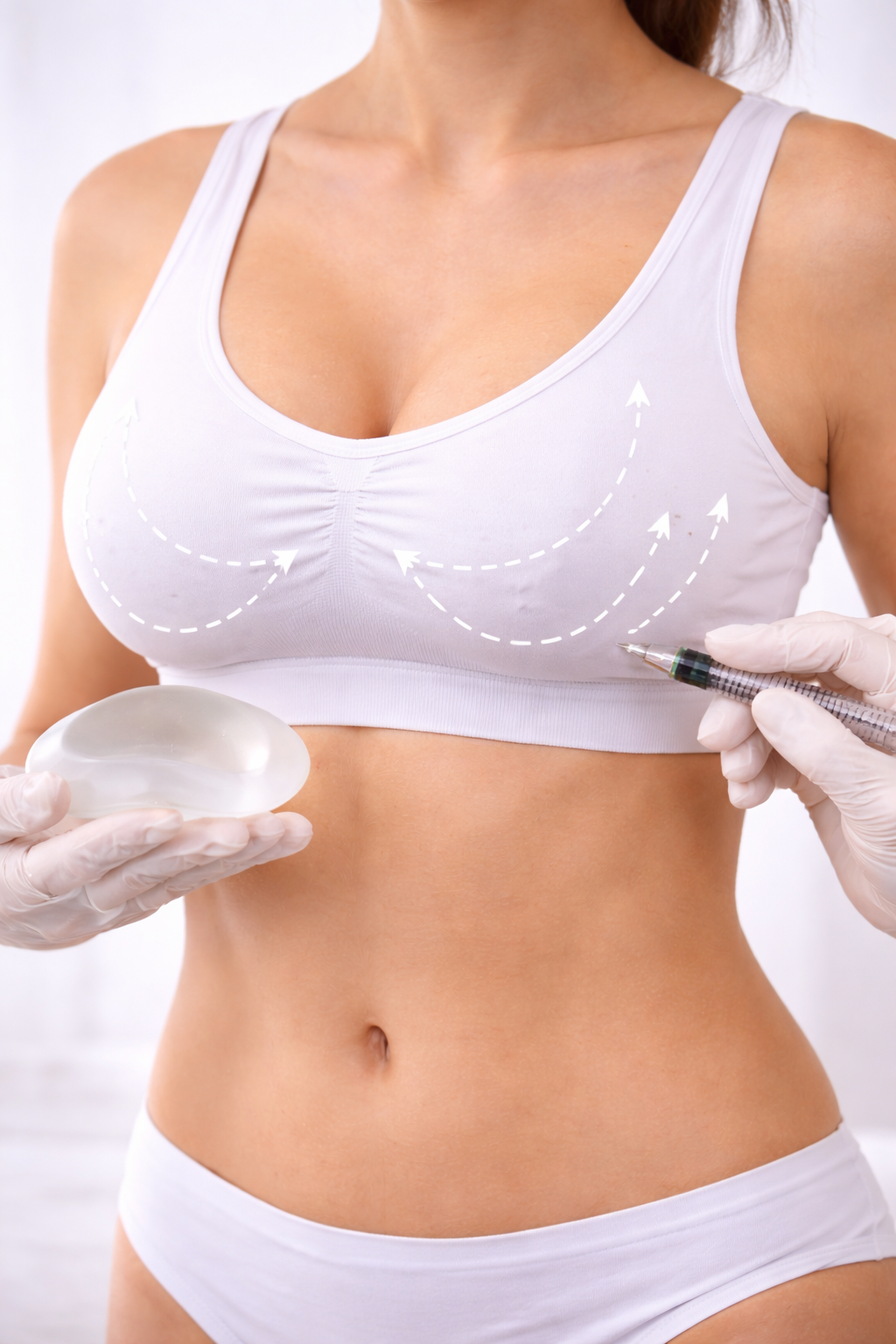
Breast Enlargement
Augmentation, reduction, lift, and implant replacement — tailored to your body and goals.
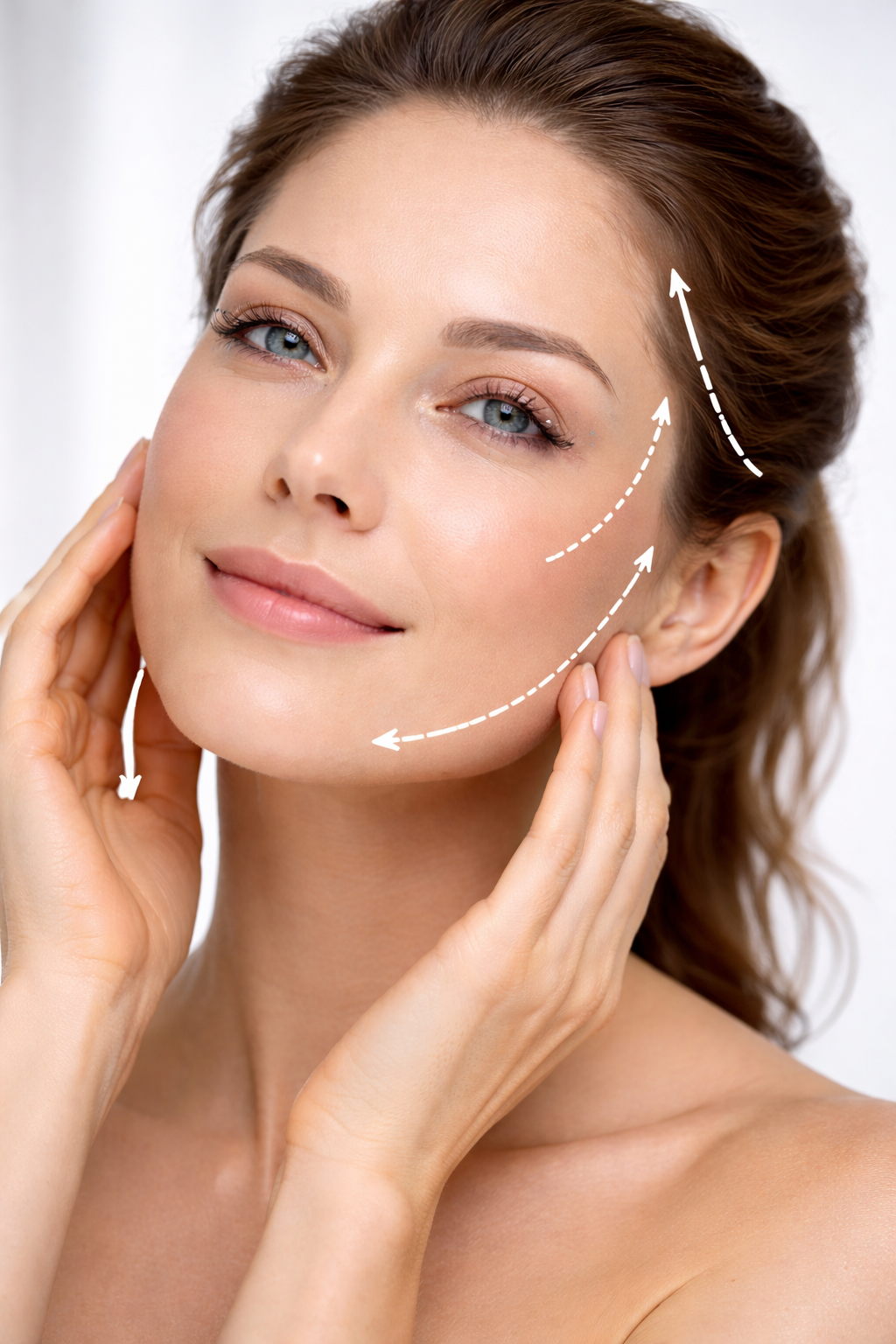
Facelift
Full facelift, midface lift, and neck lift to restore a naturally refreshed appearance.
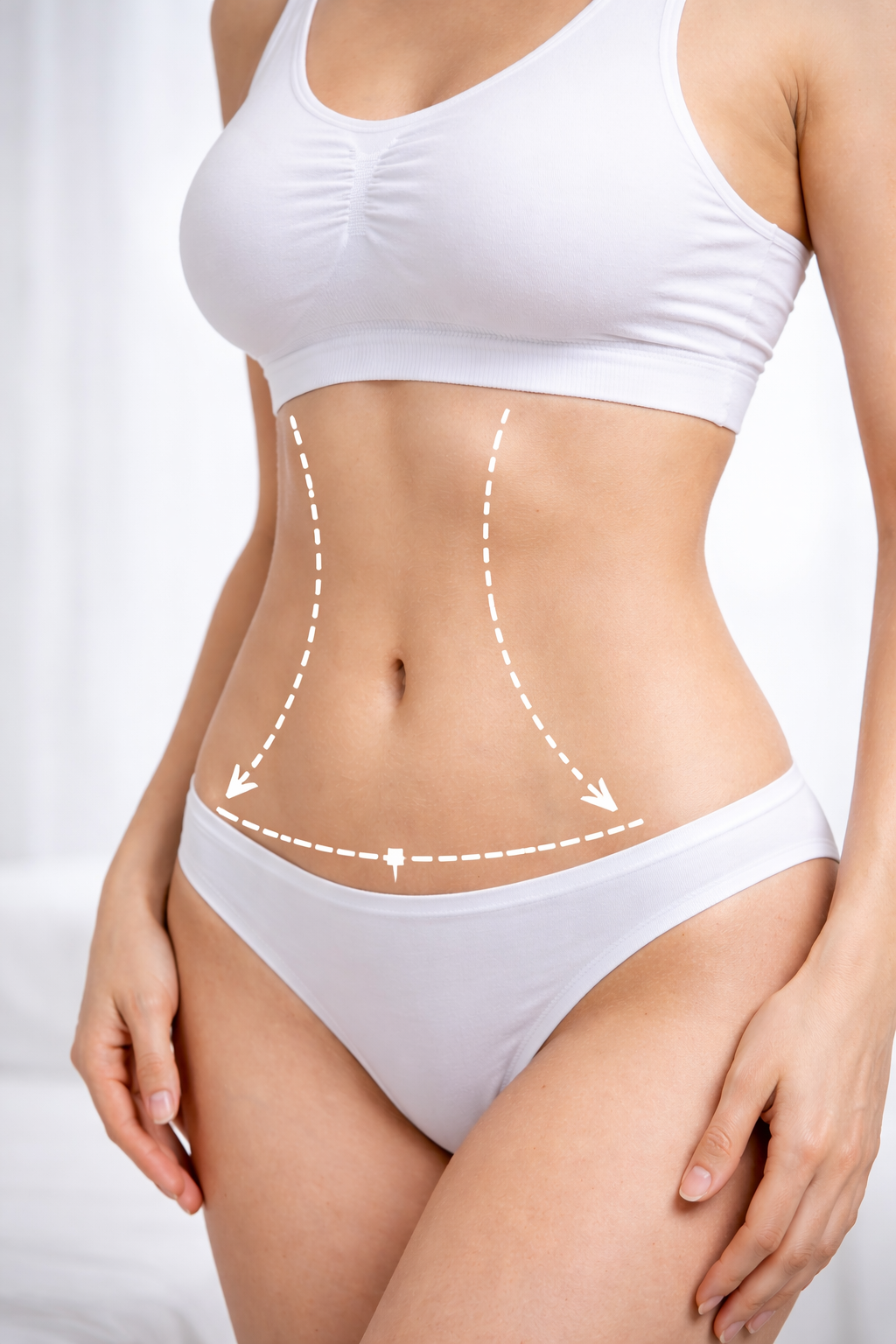
Tummy Tuck
Abdominoplasty to remove loose skin and tighten abdominal muscles for a flatter stomach.
Explore the full range of treatments offered at The Clinic @51.
TAKE THE NEXT STEP
Begin Your Consultation with
Mr. Ali Juma
Every journey starts with a conversation. Book a personal consultation and receive honest, expert guidance with no obligation — and no pressure.