BREAST SURGERY
Breast Lift Surgery in
Liverpool & Wirral (Mastopexy)
Breast lift surgery in Liverpool & Wirral, also known as mastopexy or breast uplift surgery, raises and reshapes sagging breasts. With 33 years of surgical experience, Dr Ali Juma offers tailored guidance from consultation through recovery.
33 Years
EXPERIENCE
General
Anaesthesia
2–3 Hours
SURGERY DURATION
1–2 Weeks
Initial Recovery
Rated Excellent
PATIENT SATISFACTION
OVERVIEW
What Is Mastopexy (Breast Lift Surgery)?
Mastopexy, also called breast lift surgery or breast uplift surgery, raises and reshapes breasts that have lost their natural position. Unlike breast augmentation in Liverpool, which focuses on increasing breast volume, a breast lift primarily improves shape and position. During surgery, excess skin may be removed, breast tissue reshaped and the nipple repositioned where appropriate. Dr Ali Juma offers individual assessments for patients considering mastopexy in Liverpool and Wirral.
A breast lift focuses on improving breast position and contour, rather than primarily increasing volume. If your main goal is to increase breast size, breast augmentation surgery in Liverpool & Wirral may be more appropriate. Some patients may benefit from combining a lift with augmentation, depending on their anatomy and goals.
Dr Ali Juma assesses your breast shape, skin quality and goals before advising whether breast lift surgery is suitable. Your consultation covers the recommended technique, expected changes, scarring, recovery and potential risks, so you can make an informed decision.
Excess skin removed, tissue reshaped
Excess skin is removed and breast tissue is reshaped to a higher, firmer position on the chest.
Nipple repositioned naturally
The nipple and areola are moved to sit naturally on the newly shaped breast without being detached.
Technique chosen to match your anatomy
Mr Juma chooses between the lollipop lift and anchor-pattern lift based on the degree of sagging and your individual anatomy.
WHY WOMEN CHOOSE A BREAST LIFT
Why Consider Breast Lift Surgery (Mastopexy)?
Breast shape and position can change after pregnancy, breastfeeding, weight fluctuations and ageing. For patients considering breast uplift surgery in Liverpool or Wirral, mastopexy aims to lift and reshape the existing breast tissue, improving contour without necessarily increasing breast size.
What many women do not realise is that a lift does not necessarily change your size. It reshapes and repositions what you already have. Mr Juma finds that this comes as a relief to patients who are happy with their volume but frustrated by the drop.
Many of his patients from Woolton and Heswall choose to combine a breast lift with another procedure. That decision is always made together during a face-to-face consultation at the Rodney Street clinic. Mr Juma will not recommend a combined procedure unless it genuinely gives you a better result, and he will explain exactly why.
The goal is always the same — breasts that look and feel like yours, just lifted back to where they belong.
Pregnancy & Breastfeeding
Volume changes and skin stretching during pregnancy and nursing commonly leave breasts lower and less firm than before.
Weight Fluctuation
Weight gain and loss over time affects breast shape and skin elasticity, often leading to sagging that exercise alone cannot address.
Natural Ageing
Loss of skin elasticity with age causes gradual drooping. A lift restores the youthful contour and projection that ageing takes away.
Combined Procedures Available
Lift with augmentation for added fullness, lift with reduction to feel lighter, or lift as part of a mummy makeover — all options explored together.
CANDIDACY
Who May Be Suitable for Breast Lift Surgery?
One of the most common questions Mr Juma hears is “am I the right age for a breast lift?” The honest answer is that there is no single best age. He has treated women in their late twenties right through to their sixties, and the results have been equally rewarding at every stage.
Candidacy depends on factors personal to you, not a number on a birthday card. Women come to the clinic at different points in life and for different reasons — post-breastfeeding mothers wanting to restore their pre-baby shape, women who have lost significant weight and are left with loose, sagging skin, and women experiencing natural age-related changes who simply want to feel more like themselves.
Liverpool has an active social and cultural scene. Many patients from Crosby, Aigburth and beyond tell Mr Juma they want to feel confident in everyday life, not just on special occasions. A breast lift can give you that freedom again.
Mr Juma always says the best time for a lift is when it is right for you. If you are still planning pregnancies or expecting major weight changes, he may suggest waiting. That kind of honest guidance is what a good consultation is for.
Good Skin Quality & Elasticity
Skin condition and the amount of breast tissue you have are key factors in planning which technique gives the best result.
Stable Health & Medical History
Good overall health and a complete medical history review ensures surgery is planned safely around your individual circumstances.
Clear Personal Goals
Understanding what you want to achieve helps Mr Juma plan a procedure that delivers the right outcome for your body and lifestyle.
Stable Weight & Future Plans
If significant weight changes or future pregnancies are planned, Mr Juma may advise waiting to protect your long-term results.
Mr Juma uses implants from Mentor (Johnson & Johnson) — a globally trusted brand with a strong safety record. The right choice for you will always be discussed openly and honestly during your consultation.
YOUR CONSULTATION
What to Expect at Your Breast Lift Surgery Consultation
Walking into a surgical consultation for the first time can feel uncertain. Mr Juma has sat across from thousands of women who felt the same way, and he always says the first few minutes are about putting you at ease, not talking about surgery.
Your first appointment at The Clinic @51 is a conversation, not a sales pitch. Something Mr Juma has noticed over his career — the women who get the best results are the ones who ask the most questions. There is no such thing as a silly concern in his clinic. He would rather spend an extra twenty minutes talking things through than have you leave with any doubt.
Honesty at this stage matters more than anything. If a breast lift is not the best option for you, Mr Juma will say so. He may suggest a different procedure, a combination approach, or even no surgery at all. Over 33 years he has learned that the right advice at the consultation stage saves patients time, money, and disappointment further down the road.
Your day-to-day life and concerns
Mr Juma asks about what is bothering you about your breasts and listens to what you hope to look and feel like afterwards.
Medical history & measurements
A full review of your medical history and medications, plus breast measurements and assessment of skin quality, tissue volume, and degree of sagging.
Technique discussion
Mr Juma walks you through which technique suits your body — the lollipop lift or the anchor-pattern lift — and sets honest expectations so there are no surprises.
A personalised plan
You leave with a clear, personalised plan built around your body and your goals — not a template. Every consultation ends with complete clarity.
THE SURGICAL PROCESS
How Is Mastopexy (Breast Lift Surgery) Performed?
On the day of your breast lift, Mr Juma wants you to feel calm and prepared. If your consultation went well, there should be no surprises — everything has already been discussed and planned around your body.
The technique Mr Juma chooses depends on what your breasts need. The lollipop lift uses a vertical incision from the areola downward, suited to moderate sagging. The anchor-pattern lift adds an incision along the breast crease and is used when there is more significant sagging to correct.
One concern Mr Juma hears regularly is whether the nipples are removed during surgery. They are not. The nipple and areola are repositioned higher on the chest while staying attached to their blood supply and nerve tissue. Most women retain normal sensation after healing.
After thousands of breast lifts, Mr Juma has a clear philosophy on technique — use only what is needed. He will never make a longer incision than necessary. Smaller, well-placed incisions mean less scarring and a more natural result. You will wake up in a supportive surgical bra with dressings in place. Mr Juma checks on you personally before you go home.
1
Arrival at an Accredited Facility
You arrive at the hospital or surgical facility agreed during your consultation, having fasted as instructed. Your anaesthetist meets you and explains what to expect.
2
Pre-Operative Planning
Mr Juma meets you beforehand to go over the plan one final time and carefully marks the breast for surgery. Precise markings are essential to the result.
3
Surgery Under General Anaesthetic
The procedure is carried out under general anaesthetic and typically takes two to three hours depending on the technique used and the degree of correction needed.
4
Recovery & Discharge
You wake in a supportive surgical bra with dressings in place. Mr Juma checks on you personally before you go home. You leave with clear written instructions and direct contact details for any concerns.
RECOVERY GUIDE
Breast Lift Surgery Recovery: What to Expect
Recovery is something Mr Juma spends a lot of time discussing before surgery, because knowing what to expect makes the whole process easier. He has guided thousands of women through this stage and believes that a well-prepared patient recovers better and worries less.
Mr Juma finds that the first week is when patients need the most reassurance. Some swelling and discomfort is completely normal. He encourages patients to arrange help at home for those first few days — whether that is a partner, family member, or friend.
A practical tip he shares with many patients from Formby and Bebington — think about when you book your surgery. Many women across Liverpool plan their breast lift during quieter months so they can recover comfortably before summer social plans. There is no right or wrong time, but a little calendar planning goes a long way.
Mr Juma sees you for follow-up appointments throughout your recovery. You are never left wondering whether something is normal. If you have a concern at any point, his team is available to help.
Week 1
REST AT HOME
Rest at home, some swelling and bruising. Wear your surgical bra at all times as directed.
Weeks 2
LIGHT ACTIVITY
Most women feel well enough to return to light desk-based work. Swelling begins to settle.
Weeks –6
SHAPE FORMING
Swelling continues to settle and you start to see your new shape forming clearly.
Week 6 onwards Most patients can return to full activity including exercise. Scars continue to fade and breasts settle into their final position over three to six months.
LONG-TERM INFORMATION
Long-Term Results After Breast Lift Surgery
One of the first things women ask Mr Juma is “how long will my breast lift last?” His honest answer — the results can last many years, but they are not entirely in his hands. What you do after surgery plays a big part in how well your results hold up.
After 33 years of seeing long-term results, Mr Juma has noticed a clear pattern. The women who follow aftercare advice closely are the ones who stay happiest with their results five, ten, even fifteen years later. It is a small investment of effort for something that gives you confidence every single day.
Follow-up appointments at the Rodney Street clinic are a big part of this. Mr Juma sees you personally — not a nurse, not a junior doctor. He checks how your scars are settling, how the shape is developing, and whether you have any concerns. Patients from Oxton and the Sefton Park area appreciate that their aftercare is with the same surgeon who operated on them.
Gravity and ageing will always play their part over the years. But a well-performed breast lift, combined with good habits, gives you a shape that looks and feels natural for a very long time.
Maintain a stable weight
Significant weight fluctuations stretch the skin and can affect your shape over time.
Wear a supportive bra
Especially during exercise and in the first year after surgery to protect your results.
Look after your skin
Sun protection and hydration help maintain elasticity and support long-term scar fading.
Attend all follow-up appointments
Mr Juma wants to see you personally to check your healing and catch any concerns early.
The MHRA has published a Cosmetic Breast Augmentation Risk Awareness Tool to help patients understand the potential risks associated with breast implants. Mr Juma encourages all patients to review this before their consultation.
COMMON QUESTIONS
Frequently Asked Questions
How do I book a breast lift consultation in Liverpool?
Call us on 0151 230 1648 or complete our website form. We see patients at The Clinic @51 on Rodney Street, which is easy to reach from across Liverpool and the Wirral. Mr Juma meets every patient personally — you will never be seen by a sales advisor or junior team member. He finds that sitting face to face in those first few minutes tells him more than any photograph ever could.
How long does it take to recover from a breast lift in the Wirral?
Most patients need one to two weeks off work, with full recovery at around six weeks. Mr Juma has found that the women who plan ahead recover the smoothest — arrange help at home for the first few days, stock the fridge, and give yourself permission to rest. Follow-up appointments are at the Liverpool clinic, keeping travel short for Wirral patients.
Can a breast lift be combined with other procedures in Liverpool?
Yes, many of Mr Juma’s patients combine a lift with an augmentation for added fullness or a tummy tuck as part of a mummy makeover. Over 33 years he has learned that combining procedures can give a better overall result in the right circumstances. But he will never suggest it unless it genuinely makes sense for your body and goals. Some women are better off with a lift alone, and he will tell you that honestly.
What breast lift technique will my Liverpool surgeon use?
Mr Juma typically uses either the lollipop lift for moderate sagging or the anchor-pattern lift for more significant correction. He decides this with you during consultation after examining your tissue, skin quality, and how much lift you need. In his experience, the right technique is the one that gives you the best shape with the least scarring — and that is different for every woman.
Will a breast lift leave visible scars?
Scars are part of any surgery, but they fade significantly over the months that follow. Mr Juma places every incision with scar position in mind — he wants them hidden under clothing and swimwear. Something he tells patients regularly is that scars at six weeks look very different to scars at six months. Patience during the healing process is worth it. After three decades of refining his approach, minimal scarring is something he takes real pride in.
Am I a good candidate for a breast lift?
The best candidates are in good general health, at a stable weight, and have a clear idea of what they want to achieve. But the only real way to know is to sit down with Mr Juma. He has seen women walk in convinced they need a lift when actually a different procedure would suit them better — and the other way around. An honest consultation takes the guesswork out of it completely.
Is a boob lift or boob uplift the same as mastopexy?
Yes. “Boob lift” and “boob uplift” are informal terms for breast lift surgery, medically known as mastopexy. The procedure raises and reshapes the existing breast tissue and does not necessarily increase breast volume. During your consultation, Dr Ali Juma can explain whether a lift alone or a combined approach may suit your goals.
Where can I arrange a breast lift consultation if I live in Liverpool or Wirral?
If you have searched for “breast lift surgery near me” or “breast uplift near me”, Dr Ali Juma welcomes patients from Liverpool and Wirral. Consultations are available at The Clinic @51 on Rodney Street in Liverpool, and the practice also lists Wirral consulting locations. Contact the team to confirm available appointments and the location of your consultation.
READY TO TAKE THE NEXT STEP?
Book Your Consultation
Considering breast lift surgery in Liverpool or Wirral? Book a personal consultation with Dr Ali Juma to discuss mastopexy, your preferred result, suitable techniques and recovery.
ON THIS PAGE
CONTACT THE CLINIC
Address
The Clinic @51, First Floor
51 Rodney Street
Liverpool L1 9AT
Telephone
Mr. Ali Juma
Consultant Plastic Surgeon
About Mr. Ali Juma
Meet Dr Ali Juma, Your Breast Lift Surgeon
Dr Ali Juma is a Consultant Plastic Surgeon with over 33 years of experience in aesthetic and reconstructive surgery. Patients considering breast lift surgery or mastopexy in Liverpool and Wirral can discuss their goals and treatment options during a personalised consultation at The Clinic @51 on Rodney Street, Liverpool.
MB.BS. (Lon)
FRCS (Eng)
FRCS (Plast)
GMC: 3250293
- 12 years of NHS reconstructive surgery experience, providing the highest standard of clinical care.
- Trained in Belgium under leading European breast surgeons — bringing international expertise to every procedure.
- One surgeon throughout your care — from first consultation through to final follow-up.
- Honorary Lecturer at the University of Liverpool for 9 years; Clinical Lead for CPD at The Royal Society of Medicine.
RELATED TREATMENTS
Other Breast Procedures
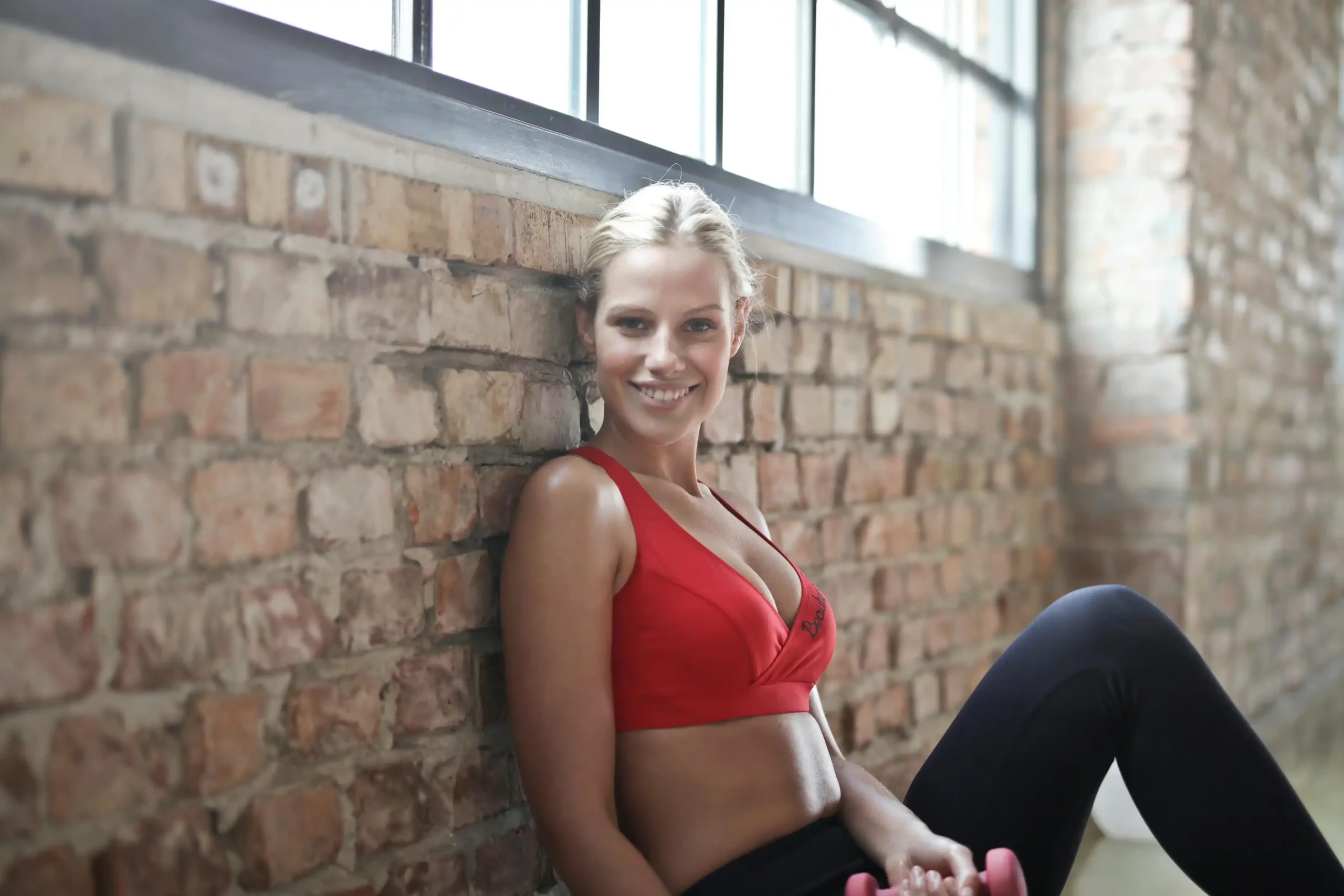
Breast Augmentation Surgery
Increase breast volume and improve shape using implants tailored to your anatomy and goals. A personalised consultation helps you understand the available options.

Breast Reduction
Reduce breast size to relieve physical discomfort, improve posture, and restore body proportion — one of the most consistently life-improving procedures in plastic surgery.
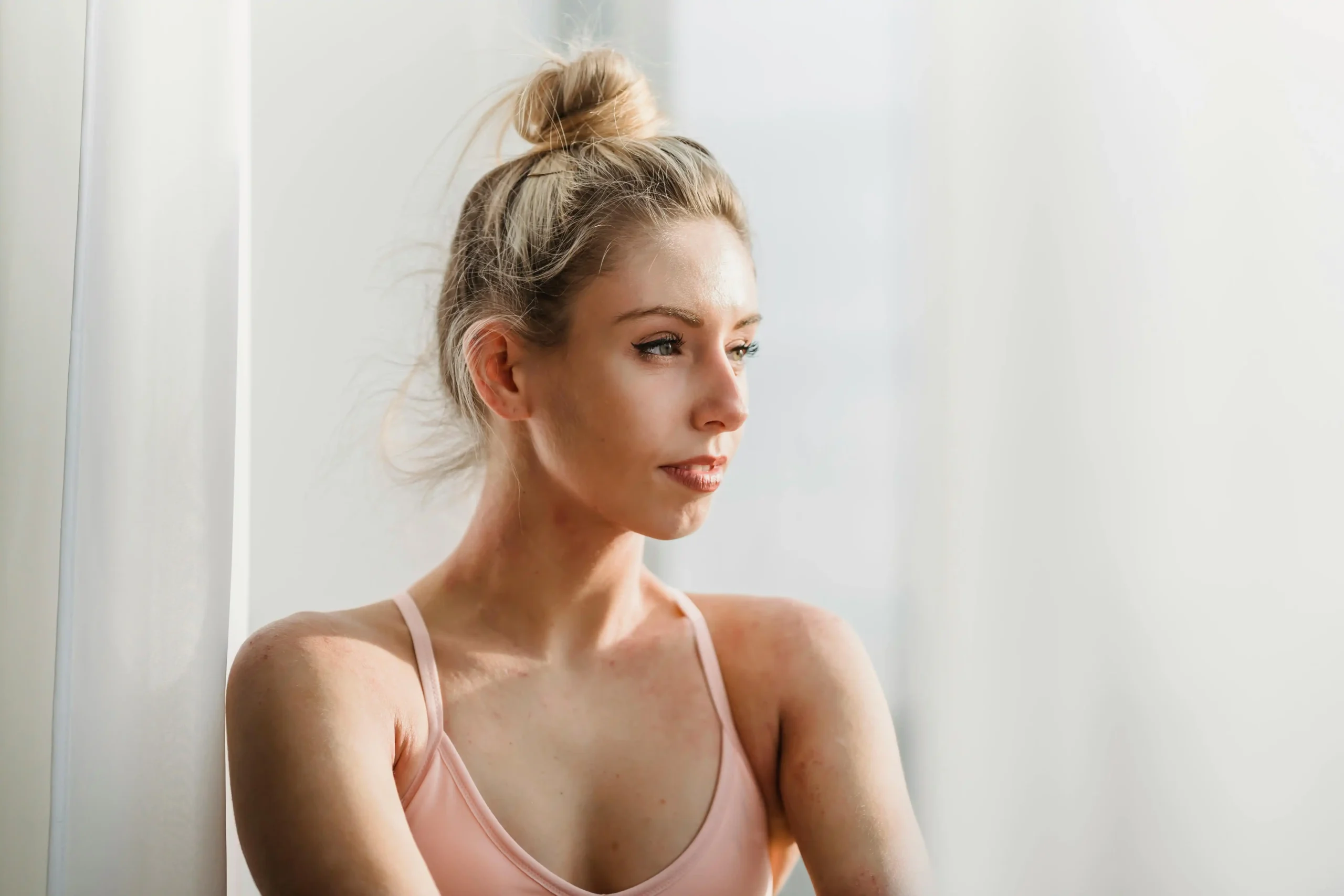
Breast Implant Replacement
Replacement or revision of existing breast implants — whether for cosmetic reasons, complications, or routine long-term maintenance of prior augmentation surgery.
Explore the full range of treatments offered at The Clinic @51.
TAKE THE NEXT STEP
Begin Your Consultation with
Mr. Ali Juma
Every journey starts with a conversation. Book a personal consultation and receive honest, expert guidance with no obligation — and no pressure.