
Welcome to Ali Juma
Blepharoplasty Liverpool & Wirral
30+ Years Experience
Experienced Surgeon with Over 33 Years in Practice.
Rated Excellent
100s
Happy Clients
What is blepharoplasty and who is it suitable for the procedure?
Blepharoplasty is eyelid surgery that removes excess skin, fat, or muscle from the upper or lower lids. Mr Ali Juma performs it as a day case at his Rodney Street clinic in Liverpool. After over three decades of performing this procedure, he finds that most patients share one thing in common, they wish they had come in sooner. The best candidates are adults who notice:
- Heavy upper lids that fold over the lash line, sometimes blocking the outer edge of their vision
- Under-eye bags that make them look exhausted no matter how well they slept
- A tired, aged appearance that friends and family comment on
Many patients tell Mr Juma they tried creams and home remedies for years before booking a consultation. Surgery is not always the answer, but when it is, most people are back to their normal routine within one to two weeks.
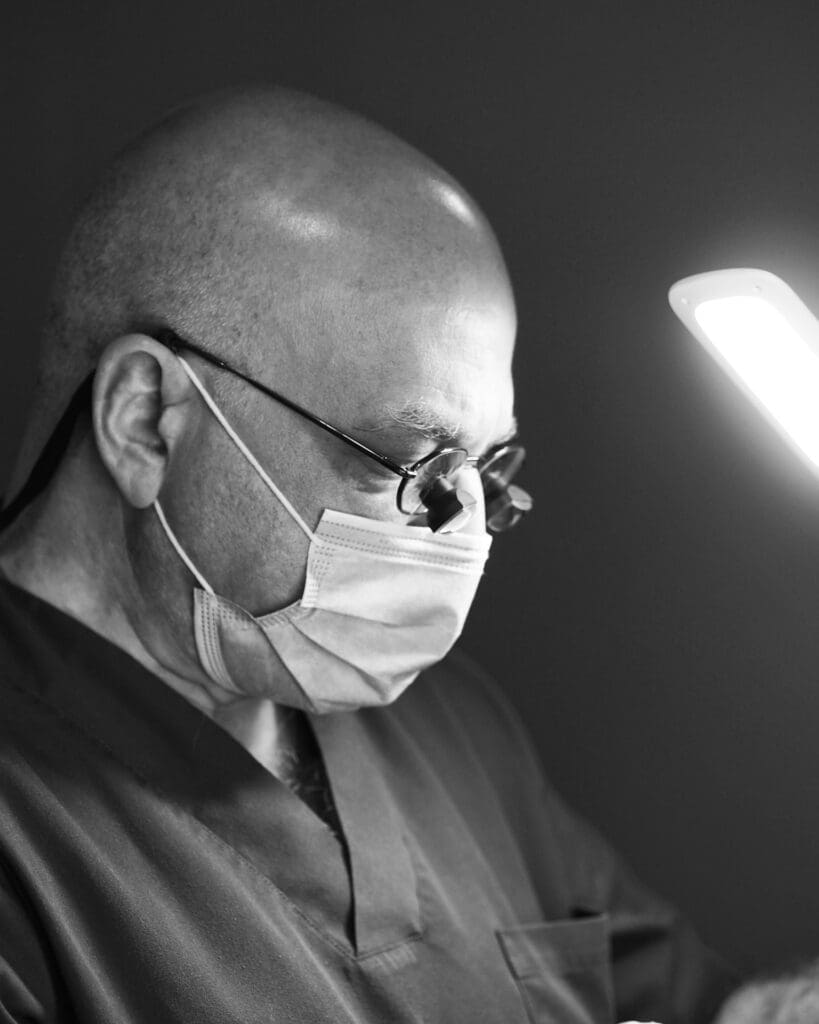
Sagging Eyelids Affect Your Vision and Confidence
You might think heavy eyelids are just a cosmetic concern. Many of Mr Juma’s patients thought the same, until they realised how much their drooping lids were affecting everyday life.
How heavy eyelids affect your vision
Upper eyelid skin that folds over the lash line can quietly narrow your field of sight. Mr Juma regularly sees patients across Liverpool and the Wirral who did not notice the change because it happened so gradually. Common signs include:
- Tilting your head back to read or watch television
- Raising your eyebrows throughout the day just to see clearly
- Struggling with glare or reduced side vision while driving
Most patients adapted to these habits without realising it.
Why Wirral patients notice it more outdoors
Patients from Heswall and West Kirby often tell Mr Juma that heavy lids feel worse outside. Coastal wind and bright conditions along the Wirral shoreline make drooping skin more noticeable and uncomfortable. Something as simple as a walk along the seafront becomes less enjoyable when you are constantly squinting or shielding your eyes.
The confidence side
Then there is what patients say in consultations. When your eyes look permanently tired, people ask if you are feeling alright. That wears on you over time. Mr Juma hears this in nearly every blepharoplasty consultation, patients are not chasing a different look. They just want their eyes to match how they actually feel.
Blepharoplasty Results Can Last Ten Years or More
One of the first questions patients ask Mr Juma is whether eyelid surgery is worth it long-term. His answer is consistently the same, it is one of the longest-lasting facial procedures available.
What to expect from your results
- Results typically last between eight and fifteen years
- The skin removed during surgery does not grow back
- Your eyelids will still age naturally, but they will not return to their pre-surgery state
- Many patients tell Mr Juma they still feel the benefit a decade later
What affects how long results last
Not every patient ages at the same rate. Mr Juma finds that a few key factors influence how well results hold up over time:
- Skin type and genetics, thinner skin may show changes sooner
- Sun exposure, UV damage speeds up skin laxity around the eyes
- Smoking, reduces blood flow and accelerates ageing
- Skincare routine, daily SPF and gentle products help protect your investment
A note on the North West climate
Living in Liverpool or the Wirral, you might assume sun protection is less of a priority. Mr Juma advises every patient otherwise. UV rays still affect the delicate skin around your eyes on overcast days, and consistent protection makes a real difference to how long your results last.
Most Patients Return to Normal Activities Within Two Weeks
Recovery is one of the biggest concerns patients raise before committing to blepharoplasty. Mr Juma has guided hundreds of patients through this process, and he always gives the same honest advice, the first few days are not glamorous, but it passes quicker than most people expect.
A typical recovery timeline
- Days 1–3, swelling and bruising are at their peak; cold compresses and keeping your head elevated make the biggest difference. Mr Juma tells patients to treat these days as proper rest days, not a chance to catch up on housework
- Days 4–7, bruising shifts from dark to yellowish and starts to fade; most patients feel comfortable pottering around at home
- Days 7–10, stitches are removed at the clinic and swelling continues to settle. This is the stage where patients often say they start to see a glimpse of their results
- Days 10–14, most people feel confident enough to return to work and daily life without anyone asking questions
One thing Mr Juma always tells patients, do not judge your results in week one. The eyes heal beautifully, but they need time. Patience during those first few days always pays off.
Planning your time off
Working professionals across Liverpool and the Wirral often ask Mr Juma exactly how much time to set aside. His advice is straightforward:
- If your job involves screen work, plan for seven to ten days off, your eyes will feel dry and tired in front of a computer at first
- If your role is physical or involves heavy lifting, allow a full two weeks
- Avoid booking surgery the week before a wedding, work presentation, or family event. Give yourself breathing room
When patients tend to book
Many patients from areas like Woolton, Crosby, and across Liverpool and the Wirral schedule their blepharoplasty during quieter months. School holidays, family commitments, and work calendars all play a part. Mr Juma’s advice is simple, pick a fortnight where you have no obligations and nowhere you need to be. Recovery goes much smoother when you are not watching the clock.
Eyelid Surgery Takes Around One to Two Hours as a Day Case
One of the things that surprises patients most is how straightforward the day itself actually is. Mr Juma has performed blepharoplasty as a day case procedure for decades, and the vast majority of patients are home the same afternoon.
What happens on the day
- You arrive at the surgical facility and meet Mr Juma before the procedure begins
- He will mark the areas to be treated and talk you through what to expect one final time
- Upper eyelid surgery typically takes around 45 minutes to an hour
- If both upper and lower lids are being treated, allow up to two hours
- Incisions are placed within the natural creases of your eyelids, so scarring fades and becomes difficult to spot over time
Blepharoplasty is performed under local anaesthetic with sedation or general anaesthetic, depending on what suits you best. Mr Juma discusses this during your consultation so there are no surprises on the day.
Most patients say the procedure itself was the easy part, it is the waiting beforehand that feels the longest. Very little discomfort, and calmer than they expected.
Getting home afterwards
Mr Juma is firm on this, you cannot drive yourself home. Plan ahead:
- Arrange for a responsible adult to collect you and stay with you for the first night
- Have sunglasses ready for the journey, even on a cloudy day
- Bring a pillow for the car to keep your head comfortable and elevated
- Keep the trip home as short as possible
Patients travelling from areas like Bebington, Oxton, and across Liverpool and the Wirral benefit from shorter journey times to private surgical facilities in the area.
No overnight stay in most cases
Unless there is a specific medical reason, blepharoplasty does not require an overnight hospital stay. Mr Juma finds that patients recover better in their own home, in their own bed, surrounded by familiar comforts. You will be given:
- Clear written aftercare instructions before you leave
- A direct contact number if any concerns come up that evening
- A follow-up appointment to check on your healing
A Refreshed Appearance Without a Dramatically Different Look
This is the concern Mr Juma hears more than almost any other, “I don’t want to look like I’ve had work done.” It comes up in nearly every blepharoplasty consultation, and he understands exactly why.
What well-performed blepharoplasty actually looks like
The goal is never to change your face. It is to restore what time has taken away. Mr Juma’s approach focuses on:
- Removing only what needs to go, excess skin and puffiness, not the character of your eyes
- Preserving the natural shape of your eyelids so you still look like yourself
- Creating a rested, refreshed appearance rather than a pulled or startled look
The best compliment a blepharoplasty patient can receive is “you look well,” not “what have you had done.” That is the result Mr Juma aims for every time. The British Association of Aesthetic Plastic Surgeons provides independent patient guidance on what eyelid surgery involves, the risks to be aware of, and how to prepare for the procedure.
What patients tell us afterwards
The reaction Mr Juma hears most often is that people notice something has changed, but they cannot work out what. Colleagues say you look rested. Friends assume you have been on holiday. That subtle shift is exactly the point.
Many patients across Liverpool and the Wirral say they feel more confident in photographs and video calls, two things they had been quietly avoiding for years before surgery.
Why subtlety matters on Merseyside
Mr Juma finds that most of his Liverpool and Wirral patients share a similar preference, they want to look like a fresher version of themselves, nothing more. Understated results suit the way people here approach cosmetic surgery. No drama, no fuss, just a quiet improvement that makes a real difference to how you feel when you look in the mirror.
Good Skincare and Sun Protection Help Maintain Your Results
Mr Juma tells every blepharoplasty patient the same thing before they leave the clinic, the surgery is only half the job. How you look after your skin in the months and years that follow makes a real difference to how long your results last.
Daily habits that protect your investment
You do not need an expensive or complicated routine. Mr Juma recommends keeping it simple and consistent:
- SPF every day, apply a broad-spectrum sunscreen around the eye area, even when it is overcast. The skin around your eyelids is the thinnest on your face and the first place UV damage shows
- Gentle products only, avoid harsh exfoliants or active ingredients too close to the eyes. A simple, fragrance-free moisturiser does the job
- Sunglasses when outdoors, they protect healing skin and reduce squinting, which contributes to further lines over time
- Stay hydrated, well-hydrated skin holds its elasticity better as you age
Why this matters in Liverpool and the Wirral
Living on the Mersey waterfront or along the Wirral coastline, it is easy to assume the sun is not strong enough to cause damage. Mr Juma sees the effects of this thinking regularly. UV rays penetrate cloud cover year-round, and the reflected light off water can be just as harmful as direct sunshine.
Patients from areas like Formby, New Brighton, and across Liverpool and the Wirral who spend time outdoors should treat SPF around the eyes as non-negotiable. It is one of the simplest things you can do to keep your results looking fresh for years to come.
The long-term picture
Blepharoplasty results can last well over a decade, but your skin will continue to age naturally. Mr Juma is upfront about this, surgery turns back the clock, it does not stop it. The patients who are happiest with their results long-term are the ones who took the aftercare advice seriously from day one.
Frequently Asked Questions
How do I book a blepharoplasty consultation in Liverpool?
Call our clinic on 01512 301648 or use our website form. Mr Juma sees every blepharoplasty patient personally from the very first appointment. There is no sales consultation and no coordinator standing between you and your surgeon. He will examine your eyelids, ask about your daily life and what is bothering you most, and give you his honest professional opinion. Over 33 years, Mr Juma has told plenty of patients that surgery is not the right option for them, and he considers that just as valuable as recommending a procedure. You will leave your consultation with clarity, not confusion.
Can a plastic surgeon in the Wirral treat both upper and lower eyelids at the same time?
Yes, Mr Juma regularly combines upper and lower blepharoplasty in a single procedure for patients across Liverpool and the Wirral. In his experience, when both areas need attention, treating them together gives a more balanced, natural result, and you only go through recovery once. However, he sees many patients who assume they need both when actually the upper lids alone are causing the problem. The under-eye puffiness they are worried about sometimes looks far less prominent once the heavy upper skin is removed. Mr Juma will only ever recommend what your eyes genuinely need, not what adds to a surgical list.
Is blepharoplasty available on the NHS in the Liverpool area?
NHS funding for blepharoplasty is rare and is usually only considered when drooping lids measurably block your field of vision. This requires a GP referral and a formal ophthalmology assessment. Mr Juma has seen this story many times, patients arrive at his clinic after months of waiting for NHS assessments, only to be told their hooding does not meet the threshold. The frustration is understandable. Your eyelids may be making you miserable, affecting your confidence, and causing daily discomfort, but the NHS criteria are strict and based on visual field testing rather than quality of life. Mr Juma is always open about this and will talk you through all of your options honestly.
How soon after blepharoplasty can I drive around Liverpool?
Most patients can drive again after seven to ten days, once swelling has settled and their vision feels clear. Mr Juma always puts it this way to patients, sit in the driver’s seat of your parked car and check every mirror. If anything feels stiff, blurry, or slow, you are not ready. An extra day or two off the road costs you nothing. Rushing back behind the wheel with dry, sensitive eyes is not worth the risk to yourself or anyone else. The patients who listen to this advice are always glad they did.
What is the best age to consider eyelid surgery?
There is no fixed age, and Mr Juma has never turned a patient away based on a number alone. Most of his blepharoplasty patients are between 40 and 70, but the range is wider than people expect. He has treated patients in their late thirties who inherited heavy, hooded lids from a parent, and patients in their late sixties whose skin had only recently started to bother them. What matters is how your eyelids look and feel right now, not your date of birth. If you have reached the point where you are researching eyelid surgery, that usually tells Mr Juma you have been thinking about it for a while. A consultation will give you the answers you need to decide.
Will I need someone to take me home after eyelid surgery in the Wirral?
Yes, no exceptions. A responsible adult must drive you home and stay with you for the first night. Mr Juma has seen patients underestimate this part, and he always stresses it during the pre-operative appointment. Your eyelids will be swollen and tight, your vision slightly blurry, and your body will want to rest. His advice from years of aftercare experience, prepare your home the day before surgery. Stack your pillows high so you sleep elevated. Put cold compresses in the freezer. Leave your phone charger, water, and medication on the bedside table. Have meals prepared or ordered in advance. The patients who treat that first evening as planned recovery rather than an afterthought always have a smoother experience. It sounds like a small thing, but Mr Juma sees the difference it makes every single time.
Treatments
Liverpool, Wirral, Manchester, Contact Details
Copyright © 2026 Ali Juma. All rights reserved.