Skin Surgery
Skin Lesion
Removal & Excision
Safe and straightforward removal of benign skin lesions including moles, cysts, and lipomas — performed with minimal scarring and under Mr. Ali Juma’s expert care.
Quick
PROCEDURE
Local or General
Anaesthesia
5–14 Days
Stitches Removed
Minimal
RECOVERY TIME
OVERVIEW
What is Skin Lesion Excision?
Lesions are lumps or bumps such as moles, cysts, lipomas (fatty lumps). Most are benign (non-cancerous). Excision refers to removal of a skin lesion by completely cutting it out.
Most lesions do not cause serious problems, but you may want to have them removed due to them being painful or unsightly. Surgery is recommended to remove skin lesions that show any sign of turning cancerous or to diagnose the cause of the lesion.
Top 5
Gynecomastia surgery is one of the top 5 most popular cosmetic procedures for men in the UK, according to BAAPS (British Association of Aesthetic Plastic Surgeons) statistics — reflecting how widespread and treatable this condition is.
3%
of the female population are affected by inverted nipples
80%
of cases affect both breasts simultaneously
Candidacy
Why Consider a Facelift?
A facelift can be an ideal solution for individuals experiencing any of the following:
Raised Brow Position
Lifts the brows to a more youthful, natural height — reducing the heavy, drooping effect that can make the upper face look tired or heavy.
Opened Eye Appearance
By lifting the skin that hangs over the eyes, the procedure creates a more open, alert expression without touching the eyelids themselves.
Softened Forehead Lines
Smooths horizontal forehead wrinkles and reduces the deep frown lines that form between the brows over time.
Facial Sagging
Loss of skin elasticity and firmness leading to sagging skin on the cheeks, jawline, and neck.
Deep Folds & Lines
Deepening folds around the mouth and nose, or fine wrinkles around the eyes and lips marking skin ageing.
Jowls & Neck Laxity
Loose, drooping skin on the sides of the mouth (jowls) and loosening skin on the neck and jawline.
Tired Appearance
An overall tired or aged appearance that affects self-confidence, particularly in social or professional settings.
Most Common Cause
Ageing and the gradual loss of skin elasticity causes the skin around the eyes to loosen and excess fat to become more prominent, creating a puffy or tired appearance.
Medical Cause
In some cases, eye bags and puffiness around the eyes can be caused by thyroid disease, which affects the tissues around the eyes. Mr Juma will discuss your individual circumstances at consultation.
Noticeable discomfort or difficulty wearing bras, swimsuits, or clothing due to uneven sizing
Back or shoulder pain caused by uneven breast weight distribution
Ongoing emotional distress or body image concerns resulting from the asymmetry
For teenage girls: self-esteem challenges related to peer pressure and developing body image
01
Relief from Physical Discomfort
Significant and lasting reduction in neck, back, and shoulder pain caused by the excess weight of large breasts — often providing immediate relief following recovery.
02
Improved Body Proportion & Comfort
Smaller, more proportionate breasts that feel balanced with the rest of your body — making clothing fit better and physical activity more comfortable.
03
Enhanced Self-Esteem & Confidence
A more balanced, natural breast shape that many women report significantly improves their body image, confidence, and overall quality of life.
04
Better Posture & Long-Term Health
Improved posture and a reduced risk of chronic musculoskeletal conditions — contributing to better long-term physical health and wellbeing.
APPLICATIONS
How Lipofilling is Used
Lipofilling to the breasts has become increasingly available in the UK and can be applied across a wide range of clinical and cosmetic situations:
Natural Breast Enlargement
Lipofilling can be used as a sole method for breast enlargement — increasing volume naturally without implants, typically over 2–3 sessions.
Hybrid Breast Augmentation
Often used alongside breast implants to add a more natural look — particularly in slender patients — whilst simultaneously removing fatty deposits from unwanted donor areas.
Post-Cancer Reconstruction
Lipofilling to the irradiated breast can improve lumpectomy defects, enhance the outcome of breast reconstruction, and correct contour irregularities following prophylactic nipple-sparing mastectomies.
Breast Asymmetry Correction
Fat transfer can be used to address size and volume differences between breasts — either as a standalone treatment or in combination with other procedures.
Traumatic Contour Defects
Lipofilling can restore volume in areas of traumatic tissue loss — including indentations in the buttocks or limbs following accidents, injuries, or the excision of large areas of skin grafts.
Facial Volume & Lip Filling
Fat filling is a highly effective and longer-lasting treatment for facial contour defects and volume loss — and a natural substitute for dermal fillers in the lips, with a more supple feel and vibrant result.
Mild Cases
The Nipplette Device
For very mild forms of nipple inversion, the Nipplette — an off-the-counter device — may provide improvement through gentle suction and gradual eversion over time. This non-surgical option can be tried before considering surgical intervention.
Moderate–Severe
Surgical Correction
For more severe and persistent conditions, surgical intervention is warranted. Multiple techniques exist — Mr Ali Juma has devised a simple, effective surgical method to evert the nipple and improve its cosmetic appearance with minimal risks and scarring. The procedure is performed as a day case under local or general anaesthetic.
Mr Juma’s Surgical Technique
Mr Ali Juma has developed a simple, minimally invasive method of operating on the nipple to evert it and restore a natural, projecting appearance. The technique is designed to achieve excellent cosmetic results with minimal risks and scarring — and can be carried out under either local or general anaesthetic as a day case procedure.
Do not lie flat for at least 6 hours after the injections. Maintain an upright position to allow the product to settle properly and achieve optimal results.
The Surgical Process
Optimize Your Results
To ensure the best results and minimize any potential side effects, please follow these important aftercare guidelines:
For Fatty Tissue
Liposuction
Where the excess is primarily fatty tissue, liposuction alone can achieve excellent results — removing fat through very small incisions with minimal scarring.
- Minimal incisions and scarring
- Suitable for softer, fatty enlargement
- Smooth, natural-looking results
For Glandular Tissue
Glandular Excision
Where firm glandular tissue is present beneath the nipple, direct excision is required to remove it effectively — liposuction alone cannot address this type.
- Targets firm tissue that liposuction cannot remove
- Incision typically placed at the areola border
- Often combined with liposuction for best results
Do Not Massage
Avoid massaging the treated area. This could cause the product to migrate to unintended areas.
No Makeup or Wash
Do not wash your face or apply makeup until the next day following treatment.
Avoid Alcohol
Avoid alcohol consumption on the day of your treatment. This can increase bruising and inflammation.
Activate Muscles
Activate the injected muscles (such as frown lines) by frowning 3–4 times every 15 minutes for the first 3 hours to help the treatment settle.
Upper
Upper Eyelid Surgery
Removes excess skin and fat from the upper eyelids, reducing heaviness and improving the field of vision where drooping skin has become significant.
Local or general anaesthetic · Day case
Lower
Lower Eyelid Surgery
Addresses puffiness and loose skin beneath the eyes — the classic “eye bag” area — to produce a more rested and youthful appearance.
General anaesthetic · 1 night hospital stay
Both
Upper & Lower Combined
Both upper and lower eyelids can be treated at the same time for a comprehensive refreshment of the whole eye area in a single procedure.
General anaesthetic · 1 night hospital stay
Incisions Hidden in the Hairline
Three small incisions are made within the hairline, meaning any scarring is completely hidden by the hair. This is one of the key advantages of the endoscopic approach over traditional brow lift techniques.
Do not lie flat for at least 6 hours after the injections. Maintain an upright position to allow the product to settle properly and achieve optimal results.
The Surgical Process
What to Expect During Skin Lesion Removal
Skin lesion excision is usually a quick and straightforward procedure. Your surgeon will explain the procedure and discuss all potential complications before proceeding.
1
Anaesthesia
Some local anaesthetic is injected into the area surrounding the skin lesion to be treated. This causes a tingling or stinging sensation which lasts only a few moments. The skin will go numb so no pain should be felt during the procedure.
2
Elliptical Excision
The most common type of excision is an elliptical excision. The ellipse is designed so that the resulting scar runs parallel with existing skin creases. This ensures that the scar is as narrow and short as possible.
3
Haemostasis & Closure
There will be some bleeding in the area from where the lesion has been removed. The surgeon may coagulate the blood vessels with diathermy. The wound will then be sewn together by bringing the wound edges directly together.
4
Suture Removal
The stitches will need to be removed 5–14 days depending on the site of the lesion. If absorbable sutures are used these will disappear on their own.
1
One-Stage Procedure
Single Operation
In the majority of one-stage cases, shaped (tear drop) breast implants are used to correct the tubular shape and restore fuller, more natural proportions. In selected patients, round implants may also be appropriate. Additional procedures may be combined in the same operation:
- Internal breast tissue scoring to improve protruding areolas and redistribute breast tissue
- Fat transfer (lipo-filling / lipo-modelling) to add volume and refine contour
- Mastopexy (breast lift) where there is excess skin or downward-pointing nipples
Typically suitable for: Patients whose breast development is complete and whose degree of asymmetry and constriction allows for single-stage correction.
2
Two-Stage Procedure
Staged Expansion
For younger patients or those with significant constriction, a two-stage approach uses tissue expansion to gradually widen the narrow breast base and add fullness as breast growth nears completion (typically between ages 21–23):
- Stage 1: Expandable silicone implants are placed and inflated gradually over time through a subcutaneous port positioned over the side of the rib cage
- Stage 2: Expanders are removed and replaced with permanent silicone implants. Mastopexy is performed if needed — or the expanders may be retained with mastopexy performed around the device
- If a second stage is not required, the expander ports can be removed under local anaesthetic through a small separate incision
Typically suitable for: Younger patients (under 21–23) still undergoing breast development, or where significant tissue expansion is needed before final implant placement.
3
Fat Transfer (Lipo-Filling / Lipomodelling)
Natural Method
Fat is harvested from the patient’s own body — typically the abdomen, flanks, or thighs — and used to enlarge and reshape the smaller breast, providing a natural correction without the use of implants:
- Uses your own fat for a natural result with no foreign material
- Can be combined with breast implants to refine results and add volume — known as hybrid breast augmentation
- May require 1–3 sessions to achieve the desired volume and symmetry
Best suited for: Patients looking for a more natural method of correction, or those wishing to refine implant-based results.
Recovery Guide
Your Recovery Timeline
Pain after the operation is variable but often surprisingly little. Your wound may become painful 1–2 hours after the excision when the local anaesthetic wears off.
1–2 Hours
PAIN MANAGEMENT
Take Paracetamol (2 tablets) every 4–6 hours as required (max 8 tablets in 24 hours) if painkillers not provided.
5–14 Days
SUTURE REMOVAL
Your sutures will be removed by the district nurse. Arranged before you leave, depending on location.
2–3 Weeks
NORMAL ACTIVITY
Avoid strenuous exercise for 2–3 weeks if the wound is in an area where it might be stretched.
Keep the suture line clean and dry. You can wash around the area, but a recent wound or one that has had stitches removed should not be soaked in water.
Important Information
Possible Complications & Side Effects
As with any surgery, there are potential risks and complications to be aware of. Your surgeon will discuss these in detail during your consultation.
Long-lasting
Long-Term Outlook
High
Patient Satisfaction
Immediate
Pain Relief
Scarring
Scars may stretch so the resultant scar is wider than at operation end. Most scars are red and raised for the first 3 months but usually reduce in colour over the first year.
Keloid Scarring
Some people have an abnormal response to skin healing and form scars that are usually red and raised (keloids or hypertrophic scarring).
Nerve Damage
Although all surgery inevitably cuts small nerves, numbness or pins and needles around the wound may occur and last for weeks or months. Recovery almost always occurs.
Infection & Bleeding
Bleeding during or soon after operation, or developing an infection (signs include pain, redness, swelling, inflamed tissue, or leakage from the wound).
Sun protection and good skincare practices are essential to protect your skin and help maintain the results of your facelift long-term. Consistent use of sunscreen and a healthy lifestyle will give you the best chance of enjoying your rejuvenated appearance for years to come.
With over two decades of experience in breast balancing procedures, Mr Ali Juma has witnessed how life-changing this surgery can be. Schedule a consultation to discuss your options and determine the most appropriate surgical plan for you.
Good Candidates
- Men with gynecomastia that has persisted into adulthood
- Those who are at or near their stable, healthy weight
- Men in good overall physical health with realistic expectations
- Those self-conscious about chest appearance affecting confidence or lifestyle
Less Suitable
- Teenage boys where the condition may still resolve naturally
- Men with significant underlying medical conditions not yet addressed
- Those using medications known to cause gynecomastia that have not yet been reviewed
- Men with significant planned weight loss still to achieve
COMMON QUESTIONS
Frequently Asked Questions
Will the gynecomastia come back after surgery?
Lorem ipsum dolor sit amet, consectetur adipiscing elit. Ut elit tellus, luctus nec ullamcorper mattis, pulvinar dapibus leo.
Will there be visible scars?
Lorem ipsum dolor sit amet, consectetur adipiscing elit. Ut elit tellus, luctus nec ullamcorper mattis, pulvinar dapibus leo.
Can diet and exercise fix gynecomastia without surgery?
Lorem ipsum dolor sit amet, consectetur adipiscing elit. Ut elit tellus, luctus nec ullamcorper mattis, pulvinar dapibus leo.
Is gynecomastia surgery available for teenagers?
Lorem ipsum dolor sit amet, consectetur adipiscing elit. Ut elit tellus, luctus nec ullamcorper mattis, pulvinar dapibus leo.
Could my breasts grow back after surgery?
Lorem ipsum dolor sit amet, consectetur adipiscing elit. Ut elit tellus, luctus nec ullamcorper mattis, pulvinar dapibus leo.
READY TO TAKE THE NEXT STEP?
Book Your Consultation
Speak with Mr Juma directly. Every consultation is personal, honest, and completely without pressure.
ON THIS PAGE
CONTACT THE CLINIC
Address
The Clinic @51, First Floor
51 Rodney Street
Liverpool L1 9AT
Telephone
PROFESSIONAL MEMBERSHIPS
Affiliations & Accreditations

Mr. Ali Juma
Consultant Plastic Surgeon
About Mr. Ali Juma
33 Years of Surgical Excellence
Mr Ali Juma is a Consultant Plastic Surgeon with over three decades of experience in aesthetic and reconstructive surgery. He practises at The Clinic @51 on Liverpool’s renowned Rodney Street — known locally as the ‘Harley Street of the North.’
MB.BS. (Lon)
FRCS (Eng)
FRCS (Plast)
GMC: 3250293
- 12 years of NHS reconstructive surgery experience, providing the highest standard of clinical care.
- Trained in Belgium under leading European breast surgeons — bringing international expertise to every procedure.
- One surgeon throughout your care — from first consultation through to final follow-up.
- Honorary Lecturer at the University of Liverpool for 9 years; Clinical Lead for CPD at The Royal Society of Medicine.
RELATED TREATMENTS
Other Non-Surgical Options
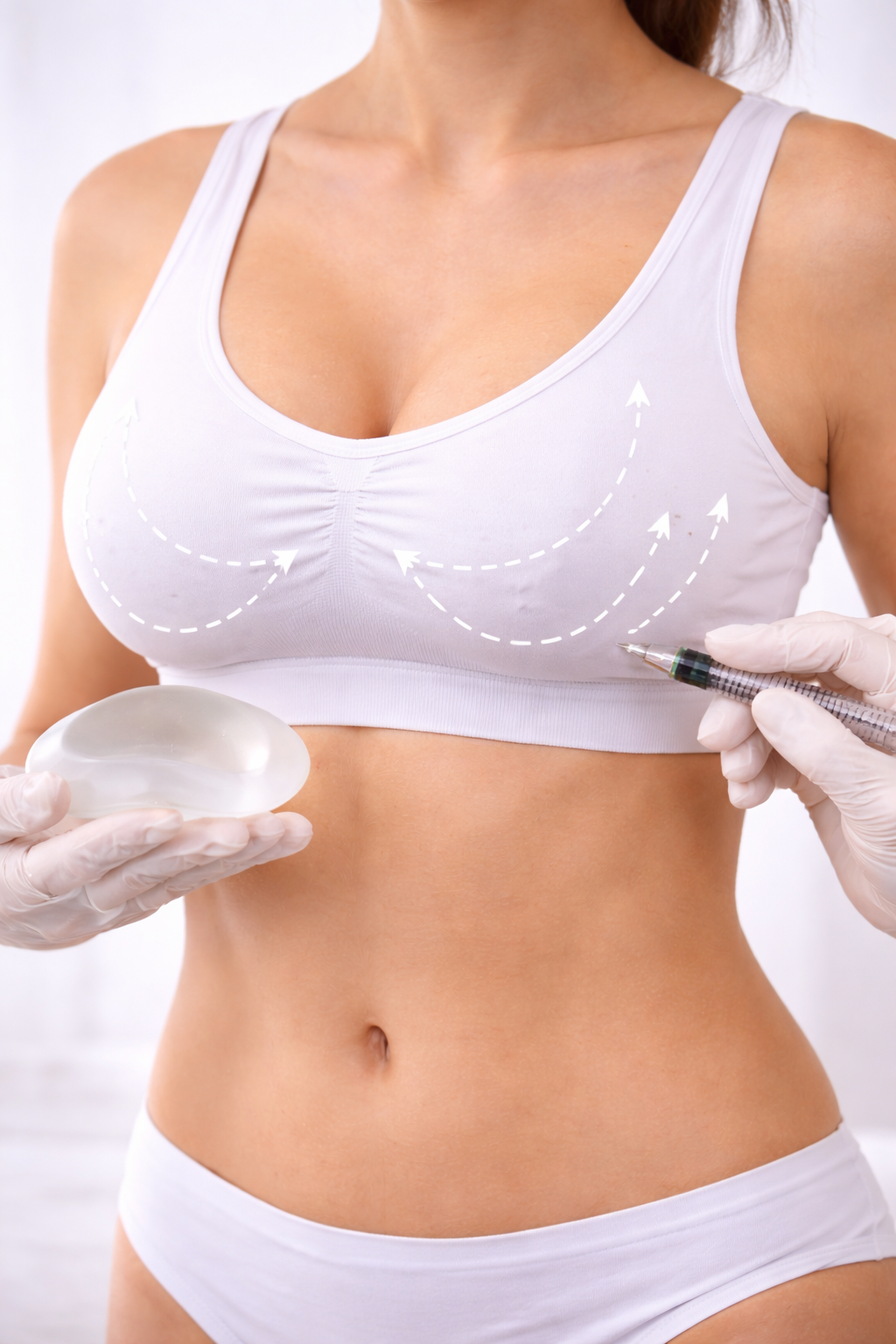
Breast Enlargement
Augmentation, reduction, lift, and implant replacement — tailored to your body and goals.
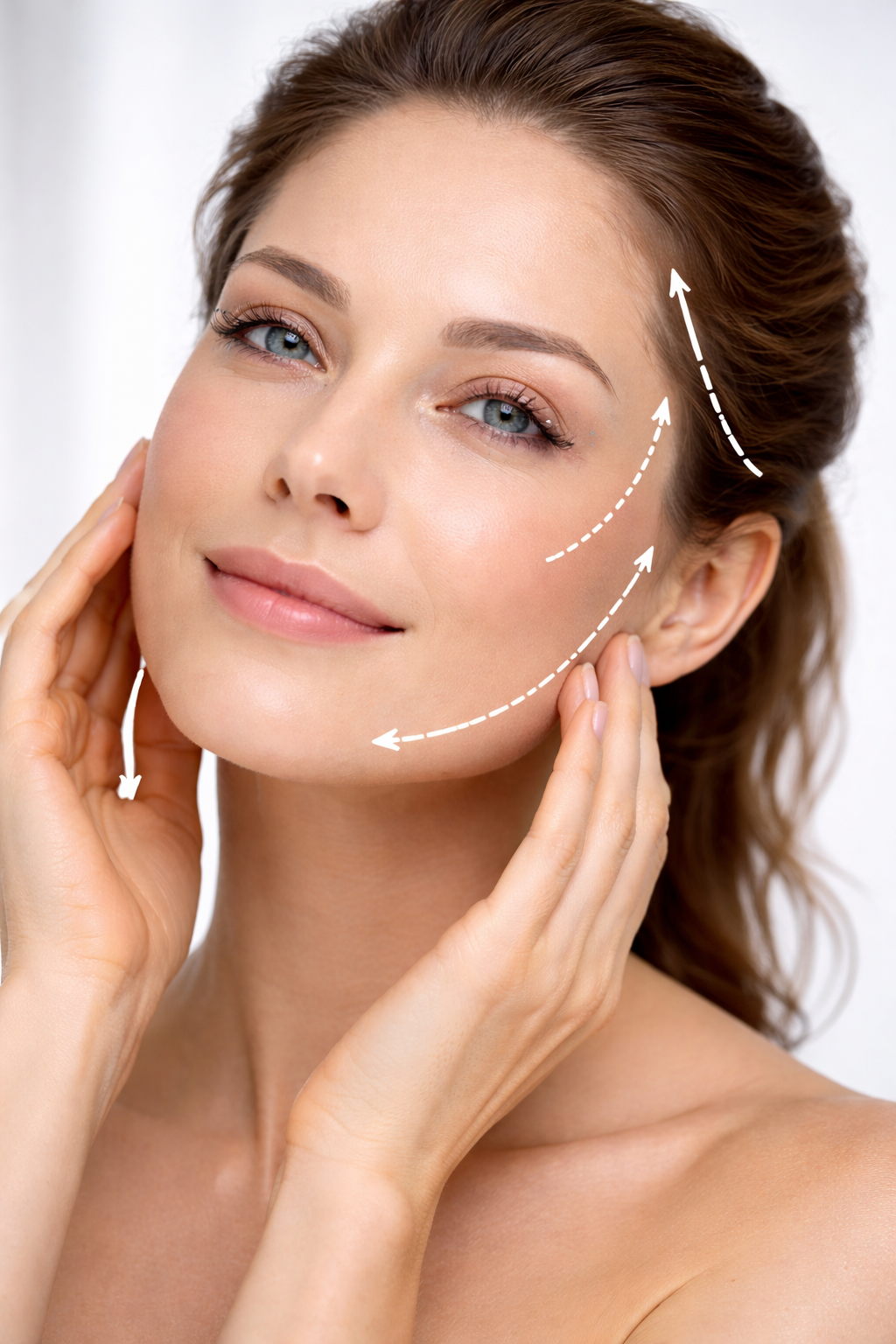
Facelift
Full facelift, midface lift, and neck lift to restore a naturally refreshed appearance.
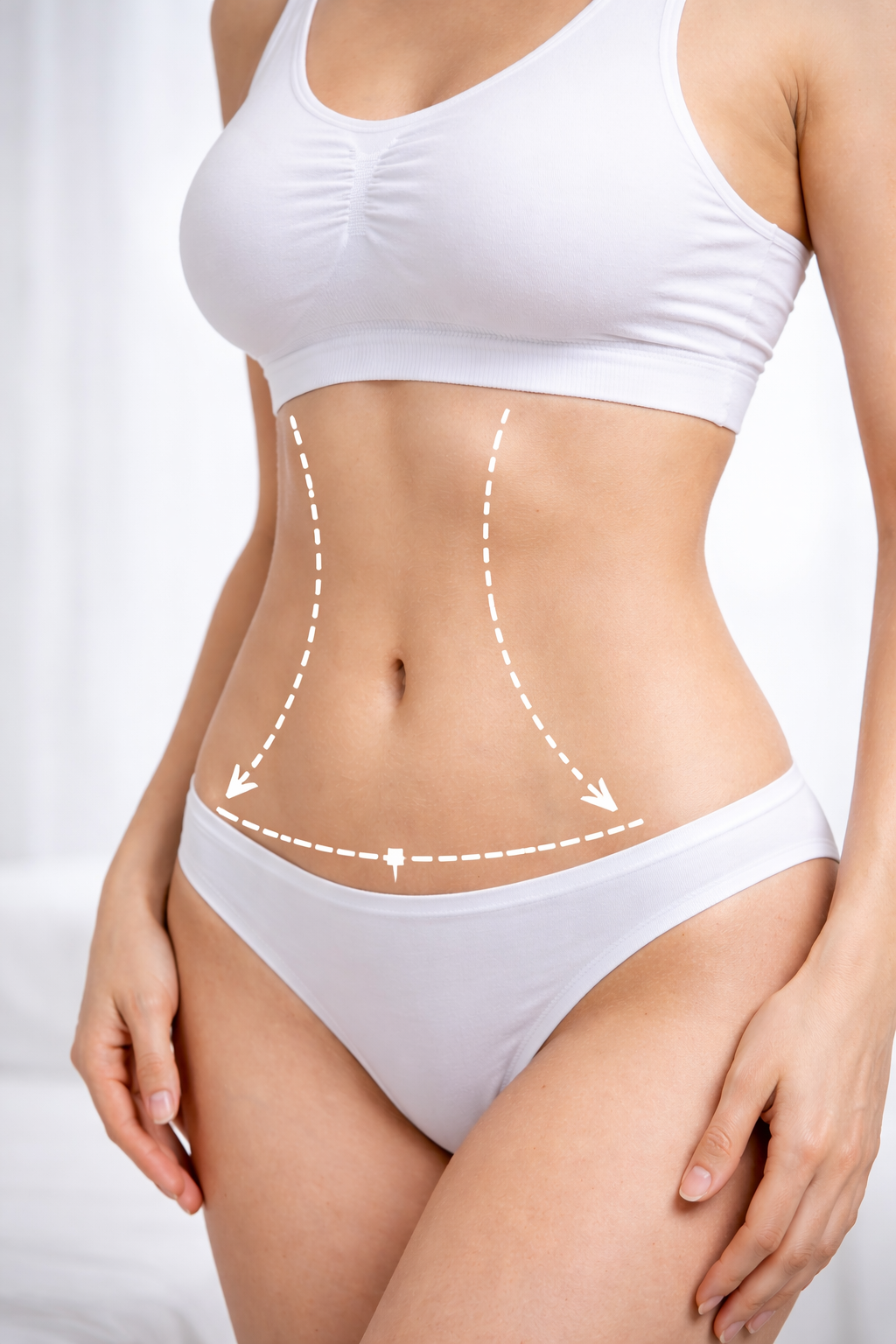
Tummy Tuck
Abdominoplasty to remove loose skin and tighten abdominal muscles for a flatter stomach.
Explore the full range of treatments offered at The Clinic @51.
TAKE THE NEXT STEP
Begin Your Consultation with
Mr. Ali Juma
Every journey starts with a conversation. Book a personal consultation and receive honest, expert guidance with no obligation — and no pressure.