
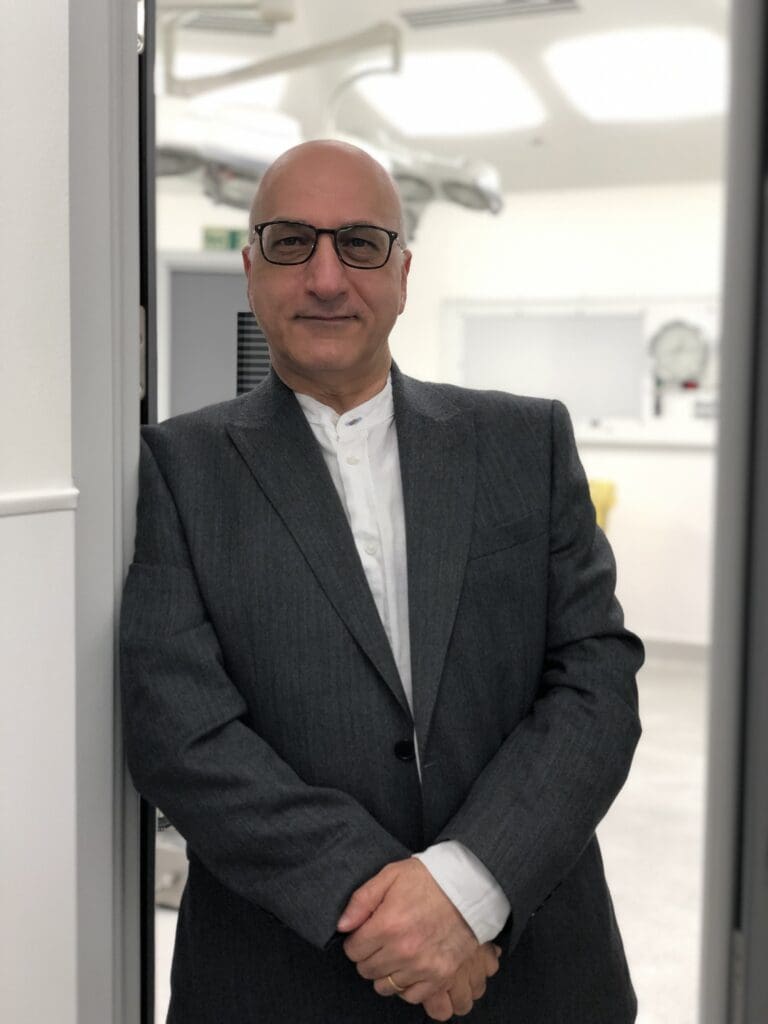
Welcome to Ali Juma
Tummy Tuck in Liverpool & Wirral
30+ Years Experience
Experienced Surgeon with Over 33 Years in Practice.
Rated Excellent
100s
Happy Clients
Flatten Your Abdomen With Expert Plastic Surgery with Mr Ali Juma
After 33 years in plastic surgery, we hear the same story often. Patients tell us they have tried sit-ups, planks, and every diet going. Nothing works on that loose fold of skin sitting above the waistband. It affects how clothes fit and how they feel at the beach or even getting dressed each morning.
A tummy tuck does what exercise cannot. We remove the stretched skin, repair separated muscles, and reshape the entire abdominal wall. The change is not subtle. Patients leave with a stomach that matches the effort they have already put in.
On this page, we walk you through who qualifies, what surgery involves, and what recovery honestly feels like. We also explain how scars heal because that question comes up in every consultation. If you live in Liverpool or the Wirral and want straight answers, that conversation starts here on Rodney Street with Mr Ali Juma.
Who Qualifies for Tummy Tuck Surgery
Over three decades, we have learned that the best outcomes come from honest conversations early on. Some patients sit down expecting us to book them straight in. Instead, we ask questions. We examine. We talk about life plans. Not everyone leaves with a surgery date, and that is exactly how it should be.
A tummy tuck works for adults carrying excess abdominal skin that will not respond to exercise. We see post-pregnancy mothers from Aigburth and Allerton whose stomach muscles separated during pregnancy and never came back together. We meet patients from across Merseyside who lost significant weight but now carry loose skin that chafes and limits what they can wear.
In our experience, the patients who do best share a few things in common:
- Their weight has stayed stable for at least six months
- They have finished having children
- They do not smoke, or they commit to stopping well before surgery
BMI plays a role too. We prefer patients under a BMI of 30. Above that, wound healing slows and complication risks climb. The NHS overview of tummy tuck surgery confirms that abdominoplasty is usually only recommended for people at a healthy weight. We would rather delay your surgery and see you reach a safer weight than operate too soon and deal with problems afterwards.
Here is something we say often in clinic. A tummy tuck is not a reward for effort. It is a tool to finish what effort started. The patients who understand that difference tend to be the happiest with their results.
Ideal Weight and Timing Before Abdominoplasty
Timing matters more than most patients expect. We often meet people from Crosby and Formby who have worked hard to lose weight and want surgery immediately. We understand the urgency. But operating too early can undo months of progress.
Your weight needs to stay steady for at least six months before we consider surgery. Not dropping. Not climbing. Steady. When the body is still fluctuating, the skin has not settled into its final state. We would be removing tissue that might have tightened on its own, or leaving tissue that could loosen further.
We also ask about future plans. If you are considering another pregnancy, we advise waiting. Carrying a baby stretches the abdominal wall again and can reverse surgical results entirely. Better to complete your family first and then address the stomach once and for all.
When thinking about timing, consider:
- Weight stability for at least six months before booking
- Family planning complete, with no future pregnancies planned
- Enough time off work for proper recovery, typically three to four weeks
- Seasonal preference, as many Wirral patients book winter surgery to recover before summer
Age comes up in consultations too. There is no perfect number. We have operated on patients in their thirties and patients in their sixties. What matters is overall health, skin quality, and realistic expectations. If you are fit enough for surgery and clear about what a tummy tuck can achieve, age alone will not stop us.
What Happens During a Tummy Tuck Procedure
After 33 years and thousands of procedures, we know that fear often comes from not knowing. Patients from Heswall and West Kirby tell us they have watched videos online and scared themselves half to death. We would rather you hear it from us, plainly and without drama.
Surgery takes place under general anaesthetic at an accredited facility in Liverpool city centre. You arrive in the morning, meet the anaesthetic team, and drift off knowing we are there from start to finish. Mr Ali Juma performs every procedure himself. You will not be passed to a trainee or junior surgeon halfway through.
The operation typically takes two to four hours. That range depends on how much excess skin you carry and whether your abdominal muscles need significant repair. Here is what we do once you are asleep:
- Make a low horizontal incision across the abdomen, carefully placed to sit below most underwear lines
- Lift the skin away from the muscle wall beneath
- Stitch separated or weakened muscles back together, rebuilding core strength
- Reposition the belly button into a natural-looking placement
- Remove the excess skin and close everything with layered stitches
- Place small drains if needed to prevent fluid collecting under the skin
We take our time with the muscle repair. This is where many patients notice the biggest change afterwards. A tighter abdominal wall gives structure that no amount of planks could achieve once those muscles have separated.
You wake in recovery wearing a compression garment. Most patients stay one night so we can monitor you closely. By the next morning, you are ready to go home with written instructions and a direct line to our team if questions arise.
Recovery Timeline and Pain Management After Surgery
We tell every patient the same thing. The first week is the hardest. If you prepare properly, you will get through it far more comfortably than you expect.
Pain peaks around days three to five. This is when swelling reaches its highest point and your body is working hard to heal. We prescribe pain relief to manage this period and advise taking it on schedule rather than waiting until discomfort builds. Staying ahead of the pain makes a real difference.
Most working professionals in Liverpool need two to three weeks off. Desk workers can sometimes return sooner if they avoid commuting and heavy lifting. Jobs that involve standing, bending, or physical activity require longer. We discuss your specific situation during consultation so you can plan properly.
Here is what recovery typically looks like:
- Days one to three: Rest at home, move gently to prevent blood clots, sleep propped up
- Days three to five: Pain and swelling peak, stay on top of medication
- Weeks one to two: Short walks around the house, no lifting anything heavier than a kettle
- Weeks two to four: Light daily activity returns, driving usually possible after three weeks
- Weeks six to eight: Most normal activities resume, though core exercises wait longer
Wirral patients often ask about follow-up appointments. We schedule these at our Rodney Street clinic and space them to reduce unnecessary travel while you are still healing. You will see Mr Ali Juma at each visit, not a different face every time.
One piece of advice we give everyone. Arrange help at home for the first week. Meals prepared in advance. Someone to assist with children or pets. A bed or recliner set up downstairs so you avoid climbing stairs repeatedly. Patients who prepare well recover faster.
Long-Term Results and Scar Appearance
Scarring is the question that comes up in every single consultation. Without fail. Patients from Woolton and Bebington sit across from us and ask before we have even finished explaining the procedure. Will I be able to wear a bikini? Will my partner notice? Will I regret trading loose skin for a scar?
After 33 years, we answer this the same way every time. Yes, there will be a scar. We cannot perform a tummy tuck without one. But here is what we have learned. Patients who were self-conscious about their stomachs for years rarely think twice about the scar once they see their results. The trade-off makes sense to them in a way that is hard to explain until you have lived it.
We place the incision low across the abdomen, mapped out during your consultation so you know exactly where it will sit. Most patients find it hides completely beneath underwear and swimwear. Some even forget it is there.
Scars change dramatically over time:
- Months one to three: Red, raised, and noticeable up close
- Months three to six: Colour starts to calm, texture begins to soften
- Months six to twelve: Continued fading, scar flattens further
- Months twelve to eighteen: Pale line that blends with surrounding skin
Liverpool’s humid climate can slow early healing for some patients. We advise keeping the area clean and dry, wearing breathable cotton fabrics, and avoiding direct sun exposure on the scar for at least a year. Silicone sheets help enormously and we recommend starting them once your wound has fully closed.
Now for results. A tummy tuck is not temporary. The skin we remove is gone for good. The muscles we stitch back together stay repaired. We see patients return years later looking just as good as they did at their six-month check. The key is maintaining a stable weight and staying reasonably active. Surgery gives you the foundation. How you live afterwards protects it.
Frequently Asked Questions
What qualifies you for a tummy tuck in Liverpool?
A tummy tuck suits adults with excess abdominal skin that no amount of exercise will shift. We see this often at our Rodney Street clinic. Patients have done everything right but their stomach still looks deflated or hangs over their waistband. Surgery addresses what lifestyle alone cannot fix.
After 33 years, we have found the best results come from patients who share a few things:
- A stable weight held for at least six months
- No planned future pregnancies
- Non-smoker status, or willingness to quit well before surgery
BMI matters too. We prefer patients under 30 to reduce healing complications. If you are close, we will work with you on timing rather than rush into theatre.
Can I book a tummy tuck consultation in Liverpool if I live on the Wirral?
Yes, and you would be in good company. A large number of our patients come from the Wirral. Birkenhead, Oxton, Heswall, West Kirby, Bebington – we know these areas well because we have looked after so many people from them over the years. The journey through the Queensway Tunnel to Rodney Street takes around 20 minutes on a clear run. We often schedule consultations mid-morning or early afternoon to avoid rush hour traffic. Geography should never stand between you and honest advice about your options.
How long is recovery after a tummy tuck for Liverpool patients?
Most patients return to light activity within two to three weeks, with full recovery taking six to eight weeks. But here is what we tell everyone. Those first seven days are not the time to prove how tough you are. We have seen patients try to do too much too soon and set themselves back weeks. Your body has been through significant surgery. Respect that. By week three, most patients feel frustrated sitting around. That restlessness actually tells us healing is going well. Follow our aftercare plan and you will get back to normal life faster than if you push too hard too early.
What weight should I reach before a tummy tuck in Merseyside?
We recommend a stable BMI under 30, though stability matters more than hitting a magic number. After 33 years, we have seen what happens when patients operate at the wrong time. Weight that bounces up and down leads to unpredictable results and disappointed patients. If your weight has held steady for six months and you feel you have found a sustainable way of eating and moving, your body is telling us it is ready. We would always rather wait and get it right than rush and wish we had not.
Will my tummy tuck scar show in swimwear?
Scars sit low across the abdomen and hide beneath most swimwear and underwear. We plan this carefully. During your consultation, we ask patients to bring in the swimwear or underwear they want to wear afterwards. It might feel awkward, but it helps us mark the incision line with your real life in mind. Over 12 to 18 months, that scar fades from red to a thin pale line. Most patients tell us they forget it is there. What they remember is finally feeling comfortable on holiday or getting dressed without thinking twice.
How do I prepare my home for tummy tuck recovery in Liverpool?
Set up a resting area on the ground floor, cook meals in advance, and arrange help with children or pets for at least the first week. This advice comes from watching thousands of patients recover. The ones who prepare properly heal faster and feel calmer throughout. Stock your fridge with easy meals. Put everything you need within arm’s reach. Accept that asking for help is not weakness. One patient told us she treated it like preparing for a new baby, minus the baby. That mindset works. The more you do beforehand, the less you struggle afterwards.
Treatments
Liverpool, Wirral, Manchester, Contact Details
Copyright © 2026 Ali Juma. All rights reserved.